There’s a quiet shift happening in the way we think about clothes. Not loud, not flashy—more like a slow realization. That maybe the problem isn’t just what we wear, but how often we throw it away.
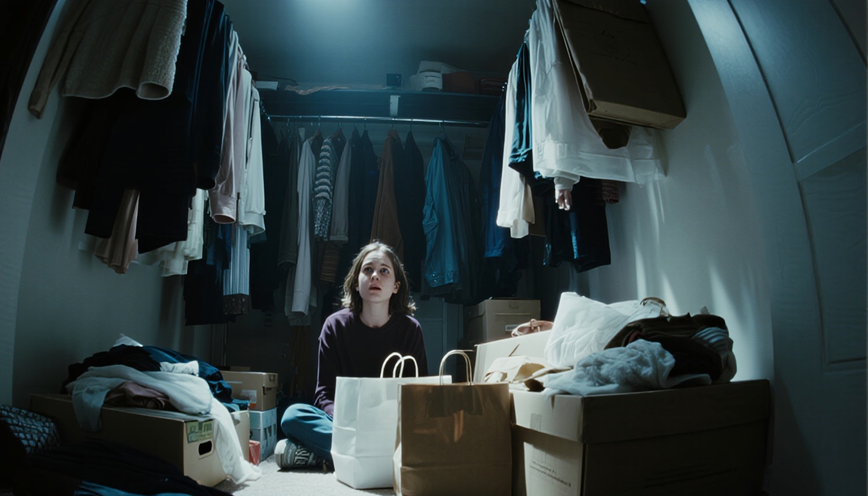
I remember cleaning out my wardrobe last year and feeling oddly conflicted. Half the clothes were barely worn, yet they felt… disposable. That’s when it hits you—fashion, for all its creativity, has become incredibly linear. Buy, wear, discard. Repeat.
But that model? It’s starting to crack.
The Problem With Fast Fashion (And Why It’s Catching Up)
For years, fast fashion thrived on speed and affordability. New trends every week, prices low enough to justify impulse buys. It felt exciting—until it didn’t.
The environmental cost is hard to ignore now. Textile waste piling up in landfills, water-intensive production processes, and supply chains that often lack transparency. Add to that the emotional fatigue of constantly chasing trends, and you get a system that feels… unsustainable in more ways than one.
Consumers are noticing. Maybe not all at once, but gradually.
Circular fashion economy kya hai aur brands kaise adopt kar rahe hain?
At its core, the circular fashion economy flips the traditional model on its head. Instead of treating clothes as temporary items, it treats them as assets—things that can be reused, repaired, resold, or recycled.
Think of it like this: a garment doesn’t have a single life cycle anymore. It moves through multiple phases. You buy it, wear it, maybe resell it. Someone else buys it, styles it differently. Eventually, it might be recycled into new fabric.
Brands are experimenting with this idea in different ways. Some are launching take-back programs, where customers return old clothes in exchange for discounts. Others are building resale platforms, essentially competing with second-hand marketplaces rather than ignoring them.
There’s also a growing focus on design—creating clothes that last longer, are easier to repair, and can be recycled more efficiently.
It’s not a perfect system yet, but it’s a step toward something more thoughtful.
The Rise of Second-Hand (And Why It Feels Different Now)
Thrifting used to carry a certain stigma. It was seen as a budget choice, not a style statement.
That’s changed.
Today, second-hand fashion is almost… aspirational. Vintage pieces, curated thrift stores, online resale platforms—they’ve all contributed to making pre-owned clothing feel unique rather than second-rate.
There’s a kind of storytelling involved too. Wearing something that’s already had a life, a history. It adds character in a way brand-new items sometimes don’t.
And let’s be honest, finding a great piece at a fraction of the original price? That never gets old.
Renting Clothes — A Temporary Relationship With Fashion
Another interesting shift is the rise of clothing rentals.
For occasions like weddings, parties, or even workwear, renting makes a lot of sense. Why buy something you’ll wear once or twice?
It’s practical, yes, but also reflective of a broader change in mindset. Ownership isn’t as important as access anymore. Especially for younger consumers, the idea of rotating wardrobes without accumulating clutter feels appealing.
Of course, it comes with its own challenges—logistics, hygiene concerns, and the environmental impact of shipping. But the concept itself? It’s gaining traction.
Can Brands Truly Go Circular?
Here’s where things get a bit complicated.
While many brands are adopting circular practices, not all of them are doing it at scale. Some initiatives feel more like experiments than full commitments.
There’s also the issue of greenwashing—when companies market themselves as sustainable without making meaningful changes. It’s a real concern, and consumers are becoming more aware of it.
True circularity requires systemic change. From sourcing materials to manufacturing processes to end-of-life solutions—it’s a long, complex journey.
But every small shift matters. Even if it’s imperfect.
The Consumer’s Role — More Power Than We Think
It’s easy to place all the responsibility on brands, but consumers play a huge role too.
Choosing quality over quantity. Repairing instead of discarding. Supporting brands that prioritize sustainability—even if it means paying a bit more.
These decisions might seem small, but collectively, they influence the market.
And sometimes, it’s not about doing everything perfectly. It’s about doing something differently.
A More Personal Way to Think About Fashion
Maybe the biggest change isn’t in the industry, but in how we relate to our clothes.
Instead of seeing them as disposable trends, we start seeing them as long-term companions. Pieces that evolve with us, that we style differently over time, that we care for.
It’s a slower approach. Less impulsive, more intentional.
And honestly, it feels better.
A Thoughtful Ending — Not the End of Fashion, Just a New Chapter
Circular fashion isn’t about giving up style or creativity. It’s about rethinking the system behind it.
About asking better questions. About making choices that feel aligned—not just with trends, but with values.
The shift won’t happen overnight. It’s messy, incomplete, and still evolving.
But maybe that’s okay.
Because for the first time in a long while, fashion isn’t just moving forward—it’s learning to come full circle.