Most people do not think about their tap water until something starts feeling wrong. Maybe the tea tastes a little flat. Maybe the shower leaves your skin dry. Maybe the sink has that faint cloudy look after every rinse, no matter how carefully you clean it. Water is easy to ignore because it is always there, running quietly through the background of daily life.
But the water in a home affects more than a glass on the kitchen counter. It touches food, laundry, bathing, appliances, plumbing, and even the way a home feels. When it is right, nobody says much. When it is off, everyone notices.
Why Tap Water Can Vary So Much
One home’s water can be very different from another’s, even in the same neighbourhood. The source matters, of course. City-treated supplies, private wells, older pipes, newer plumbing, water heaters, and local mineral levels all play a part.
This is why some households deal with scale on faucets, while others notice chlorine taste, sediment, staining, or unpleasant smells. Sometimes the problem is harmless but irritating. Other times, it deserves closer attention. The only tricky part is that water does not always tell you what is wrong in an obvious way.
Clear water can still contain things you may want reduced. And cloudy water is not always dangerous. That is why guesswork rarely gives homeowners the full picture.
The Small Signs People Often Miss
Water problems usually start with little clues. Dishes come out spotted. Soap feels like it does not rinse properly. Coffee tastes slightly bitter. A showerhead clogs faster than it used to. Clothes feel stiff after washing. These things are easy to blame on detergent, appliances, or even bad luck.
But often, the real issue is coming through the tap.
In many homes, water quality becomes noticeable only after it affects comfort. Hardness minerals may cause buildup. Chlorine may affect taste and smell. Iron can stain sinks and laundry. Sediment can collect in fixtures. None of these are pleasant, and over time they can become expensive nuisances.
Why One Filter May Not Be Enough
A small pitcher filter or fridge filter can be useful, especially for improving taste. There is nothing wrong with starting there. But these products only treat water at one point. The rest of the home still receives the same untreated supply.
That means your shower, dishwasher, washing machine, water heater, and bathroom taps may still deal with the original issue. If the problem is affecting the whole house, a small filter may feel like putting a bandage on the wrong spot.
This is where homeowners begin looking at broader options. The right setup depends on what is actually in the supply, not just what seems convenient at the store.
How Filtration Helps Daily Life
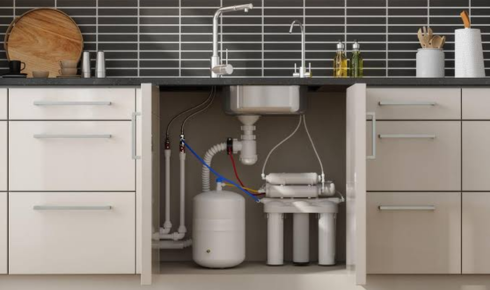
Well-chosen water filtration systems can reduce specific unwanted elements before they reach the taps. Depending on the design, they may help with sediment, chlorine taste, certain odours, iron, or other concerns. Some are installed for the entire home, while others focus on drinking and cooking areas.
The important word here is “specific.” Not every filter solves every issue. A carbon filter may help with taste. A sediment filter catches particles. Reverse osmosis may be used for certain drinking-water concerns. A softener handles hardness, but it is not the same as a contaminant filter.
Matching the solution to the problem is what makes the investment worthwhile.
Testing Before Treatment Makes Sense
Buying equipment without testing your water is a bit like buying shoes without knowing your size. You might get lucky, but there is a good chance something will not fit properly.
A basic water test can reveal hardness, pH, iron, manganese, chlorine, total dissolved solids, bacteria, or other concerns depending on the test type. For private wells, testing is even more important because the homeowner is responsible for keeping track of changes.
Wells can shift with weather, nearby land use, flooding, drought, construction, or natural underground changes. A home may have good water for years and then suddenly develop a taste, smell, or staining issue. Testing gives facts instead of worry.
Comfort Matters More Than People Admit
People often talk about water in serious terms, and rightly so. Safety matters. But comfort matters too. Nobody enjoys a shower that leaves skin itchy. Nobody likes rewashing cloudy glasses before guests arrive. Nobody wants to explain why the laundry smells strange or why the kettle has white crust inside.
Better water makes small routines easier. It helps soap rinse. It may reduce buildup. It can make drinks taste fresher. It can protect appliances from unnecessary stress. These are not dramatic changes, perhaps, but they add up.
A home is built from small habits. Morning coffee. Evening showers. Washing school uniforms. Filling the dog’s bowl. Cooking rice. When the water improves, those ordinary habits feel better.
Clean Water Starts With Knowing Your Home
Everyone wants clean water, but the path to it is not always the same. A family on municipal supply may need one type of solution. A rural home with a private well may need another. An older house with aging pipes may have concerns that a newer build does not.
That is why a personalized approach works best. Start by noticing the symptoms. Then test the water. After that, choose the treatment that fits the results. Simple, really, though many people skip straight to buying a product and hope it works.
Professional guidance can be useful here, especially if the results show multiple issues. A specialist can explain what matters, what does not, and which treatment options make sense for the home’s usage and budget.
A More Confident Home Routine
Good water should not feel complicated. It should be something you trust when filling a glass, making soup, bathing a child, washing towels, or rinsing vegetables after a long day. You should not have to sniff the tap, scrub scale every weekend, or wonder why your appliances keep struggling.
The best approach is calm and practical. Pay attention to changes. Do not ignore smells, stains, or buildup. Test before guessing. Choose treatment based on the actual problem.
Once the right solution is in place, water goes back to being quiet again. And that is exactly what you want from something you use every single day — reliable, comfortable, and easy to live with.