Clean, dependable water is one of those things most people barely think about until something goes wrong. A strange taste from the tap, stubborn white deposits around the faucet, low water pressure, or a sudden leak can quickly turn an ordinary day into a frustrating one. The good news is that many of these problems don’t appear out of nowhere. With sensible maintenance, appropriate filtration, and attention to your home’s pipes and fixtures, you can keep your water system working reliably for years.
Understanding what affects water quality is a useful starting point. Your home’s water may look perfectly clear while still containing minerals, sediment, chlorine, or other unwanted substances. Municipal supplies and private wells can have very different characteristics, so there isn’t one solution that works for every household.
Start by Understanding Your Water
Before buying a filter or replacing equipment, find out what’s actually in your water. A basic water test can reveal information about hardness, pH, iron, sediment, and other common concerns.
Hard water, for example, contains elevated levels of calcium and magnesium. It isn’t usually a reason to panic, but over time those minerals can leave scale inside pipes, water heaters, showerheads, and appliances. That chalky buildup around your kitchen faucet? It’s often a small clue that your water has a bigger story to tell.
Testing also helps prevent over-treatment. You don’t necessarily need the most complicated filtration system available. The right approach is the one that addresses your specific water conditions without adding unnecessary expense or maintenance.
Don’t Ignore Small Plumbing Problems
A dripping faucet might seem harmless. A toilet that runs occasionally may not appear urgent either. Yet small issues have a habit of becoming bigger ones.
Good plumbing maintenance is less about constantly fixing things and more about noticing changes early. Check exposed pipes occasionally for moisture, corrosion, or unusual staining. Pay attention to changes in water pressure. If a faucet suddenly produces less water than it used to, there may be a clogged aerator, mineral buildup, or an issue somewhere in the supply line.
Leaks deserve particular attention. Even a slow leak can waste a surprising amount of water and, if it occurs behind a wall or under a cabinet, may eventually contribute to wood damage, mold, or unpleasant odors.
It’s easy to put these jobs off. Most of us do. But a ten-minute inspection can sometimes save a very expensive repair later.
Choose Filtration Based on the Problem
Water filtration isn’t simply about buying a device and connecting it to the nearest pipe. Different technologies are designed for different contaminants.
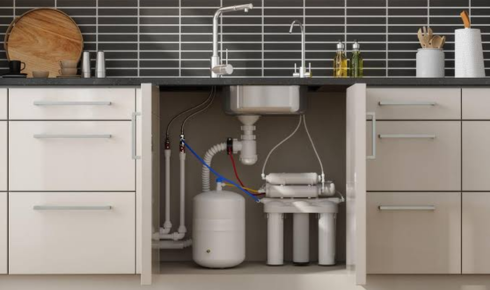
Sediment filters can capture particles such as sand, dirt, and rust. Activated carbon filtration is commonly used to reduce chlorine, certain odors, and some organic compounds. Reverse osmosis systems can provide more extensive treatment at the point of use, particularly for drinking and cooking water.
For homes with hard water, a water softener may be more appropriate than a traditional drinking-water filter. Softening targets calcium and magnesium that contribute to scale, helping protect appliances and fixtures.
The important thing is matching the technology to the water problem. A good water professional can help interpret test results and explain what each treatment option actually does. That’s much better than choosing equipment based solely on a flashy product label.
Give Your Water Heater Some Attention
Water heaters often get forgotten because they sit quietly in a corner and do their job. Still, they deserve occasional attention.
Sediment can accumulate inside a tank-style water heater, especially in areas with hard water. Over time, this buildup may reduce efficiency and contribute to strange noises. Depending on the system and manufacturer recommendations, flushing the tank periodically can help manage sediment.
Temperature settings matter too. Water that’s excessively hot can create a scalding risk and waste energy. On the other hand, a setting that’s too low may not provide the performance your household expects.
If you notice rusty water, inconsistent temperatures, unusual noises, or repeated problems, don’t simply keep resetting the system. Those symptoms can indicate a deeper issue that deserves professional attention.
Keep an Eye on Household Water Pressure
Water pressure is one of those things people notice immediately when it changes. Too little pressure makes showers disappointing and everyday chores slower. Excessively high pressure, meanwhile, can put unnecessary stress on pipes, fixtures, and appliances.
A pressure gauge can provide a clearer picture than simply judging the flow from a showerhead. If pressure changes dramatically or behaves differently at different fixtures, the cause may need investigation.
Pressure problems can come from several places, including clogged pipes, faulty pressure-reducing valves, supply issues, or buildup within fixtures. Trying to solve the wrong problem can waste both time and money.
Replace Filters on Schedule
A filter only works properly when it is maintained. This sounds obvious, but filter replacement is one of those household tasks that slips through the cracks.
As cartridges become saturated with captured material, water flow may decrease. In some systems, an overdue filter can also affect taste and performance. Replacement intervals vary depending on the filter type, household size, water usage, and incoming water conditions.
Rather than relying entirely on memory, put replacement dates somewhere you’ll actually see them. A phone reminder works. So does a note inside the cabinet beneath the sink. Nothing fancy.
Know When Professional Help Makes Sense
DIY maintenance has its place. Cleaning faucet aerators, checking visible connections, replacing certain filter cartridges, and inspecting accessible areas are generally manageable household tasks.
But there are moments when calling a qualified professional is the smarter move. Persistent leaks, unexplained pressure changes, major pipe corrosion, recurring water-quality problems, or installation of complex treatment equipment shouldn’t necessarily become weekend experiments.
Professionals can also identify problems that aren’t obvious from the outside. A system may appear to work while gradually becoming less efficient or placing additional stress on other components.
That kind of preventive attention can contribute significantly to long-term performance, particularly when several parts of a home’s water system work together.
Build a Simple Maintenance Habit
You don’t need a complicated calendar filled with home-maintenance reminders. A basic routine is enough.
Every few months, look under sinks and around exposed pipes for signs of moisture. Check faucets and toilets for leaks. Inspect filters and note when they were last replaced. If your home uses a softener or other treatment equipment, follow the manufacturer’s maintenance recommendations.
Once a year, consider whether your water conditions have changed. A new odor, taste, staining pattern, or scale problem may be worth investigating rather than simply accepting as normal.
And if you live in an older home, periodic professional inspection can be especially useful. Pipes and fixtures don’t last forever, even when everything seems fine.
A Little Prevention Goes a Long Way
A home’s water system isn’t something you have to obsess over. It just needs a bit of attention.
Testing your water, choosing treatment based on actual needs, maintaining filters, watching for leaks, and dealing with small problems before they become emergencies can make everyday water use more dependable. It can also help protect appliances, fixtures, and the structure of your home.
Most importantly, don’t wait for a dramatic failure to start paying attention. Water gives plenty of little warning signs. Learn to notice them, act when something seems unusual, and get expert help when a problem goes beyond basic maintenance.
That steady, practical approach may not feel exciting—and honestly, it shouldn’t. When it comes to a home’s water system, boring and reliable is exactly what you want.