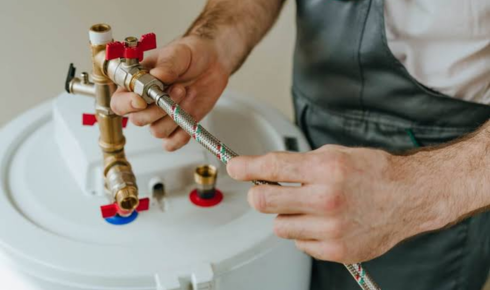
Most people don’t wake up thinking about their water heater. It sits somewhere in the garage, basement, utility room, or a quiet corner of the house, doing its job without applause. You turn the tap, hot water comes out, and life moves on. Simple.
Until it isn’t.
One cold shower is enough to remind anyone how much comfort depends on that overlooked tank or system behind the scenes. The morning routine becomes a mess. Dishes pile up. Laundry waits. Everyone in the house suddenly has an opinion. Funny how a machine nobody talks about becomes the most important thing in the home when it stops working.
A dependable water heater is not just a convenience. It supports cleaning, hygiene, cooking, laundry, and basic comfort. And like most home systems, it tends to give small warnings before it causes a big problem. The trouble is, people often miss them.
Why Hot Water Matters More Than We Admit
Hot water has become such a normal part of modern living that it almost feels invisible. We expect it to be there. A warm shower before work, clean dishes after dinner, fresh towels, properly washed clothes — these small routines shape the way a home feels.
That’s why reliable hot water matters so much. It keeps daily life steady. Nobody wants to plan showers around a weak heater or wait an hour between laundry loads because the system can’t keep up. When hot water is consistent, the home feels easier to manage.
But when it becomes unpredictable, everything feels slightly harder. Not dramatic, maybe, but frustrating. And frustration has a way of growing when the same problem keeps coming back.
The Early Signs of Water Heater Trouble
Water heaters rarely fail without some kind of warning. Sometimes the signs are obvious, like no hot water at all. Other times they’re subtle. Water may take longer to heat. The temperature may swing from hot to lukewarm for no clear reason. You may hear popping, rumbling, or cracking sounds from the tank.
Rust-coloured water can also be a concern, especially if it appears when using hot water. A metallic smell, cloudy water, or visible leaks near the heater should not be ignored either. Even a small puddle can point to a valve issue, loose connection, or something more serious inside the tank.
Age matters too. If a traditional water heater is getting close to 10 years old, it deserves more attention. Some units last longer, of course, especially with good care. But an older system that needs frequent repairs may be telling you it’s tired.
Maintenance Is Not Just a Technical Thing
A lot of homeowners hear the word maintenance and immediately think of hassle. Another appointment. Another bill. Another thing to remember. Fair enough. Life already has enough chores.
But water heater maintenance is really about preventing annoying and expensive surprises. Flushing the tank can help remove sediment. Checking the anode rod can reduce corrosion. Inspecting valves and connections can catch leaks early. Testing safety components helps make sure the system is operating properly.
Sediment is one of the biggest hidden problems. Minerals settle at the bottom of the tank over time, especially in areas with hard water. As that layer builds up, the heater has to work harder. That can lead to noise, reduced efficiency, slower heating, and extra strain on the unit.
A little care now can save a lot of irritation later. Not always, but often enough that it’s worth taking seriously.
When Small Issues Turn Into Bigger Repairs
The difficult part with water heaters is that small problems can grow quietly. A minor leak may spread water damage. A failing valve may affect pressure. Sediment buildup may overwork the heating elements. Rust may slowly weaken the tank.
And because the water heater is usually hidden away, problems can sit unnoticed until they become urgent. By then, the repair may cost more than it would have if the issue had been handled early.
That doesn’t mean every strange noise or lukewarm shower is a disaster. Sometimes the fix is simple. But guessing is risky. A water heater deals with pressure, high temperatures, electricity or gas, and plumbing connections. It’s not the best place for trial-and-error repairs.
Why Professional Help Makes a Difference
There are plenty of home tasks a careful homeowner can handle. Replacing a showerhead, unclogging a sink, tightening a loose cabinet handle — fine. But water heaters are a different category. Safety matters.
Experienced plumbing professionals can inspect the system properly and find the real cause of the problem. They can check heating elements, thermostats, burners, valves, venting, pressure levels, leaks, and signs of corrosion. More importantly, they can explain whether the issue is worth repairing or whether replacement is the smarter long-term decision.
A good technician should not make the situation feel more confusing. The best ones explain things plainly: what is wrong, what can be repaired, what it costs, and how much life the unit may still have left.
Repair or Replace? Knowing When to Decide
This is the question most homeowners ask eventually. Should the water heater be repaired, or is it time to replace it?
The answer depends on age, condition, repair history, efficiency, and the type of problem. A faulty thermostat or heating element may be worth fixing. A leaking tank, repeated breakdowns, or poor performance from an old unit may point toward replacement.
Replacement can feel expensive upfront, but sometimes it prevents ongoing repair costs and gives the home a more dependable system. Newer units may also heat water more efficiently, recover faster, or better match the household’s actual usage.
Sizing matters here. A unit that is too small will struggle. One that is too large may waste energy. That’s why proper installation is just as important as choosing the equipment.
Better Care Means Fewer Cold Surprises
Hot water should not be something you have to worry about every day. It should simply work. Quietly, safely, and consistently.
Still, a water heater is not a forever machine. It needs attention now and then. Listening for changes, watching for leaks, scheduling maintenance, and calling for help when something feels off can make a real difference.
In the end, taking care of a water heater is not about being overly cautious. It’s about keeping the home comfortable and avoiding those sudden, unpleasant moments when the shower turns cold and everyone starts asking what happened.
A dependable hot water system may not be exciting, but it does make daily life smoother. And sometimes, that kind of ordinary comfort is exactly what a home needs most.