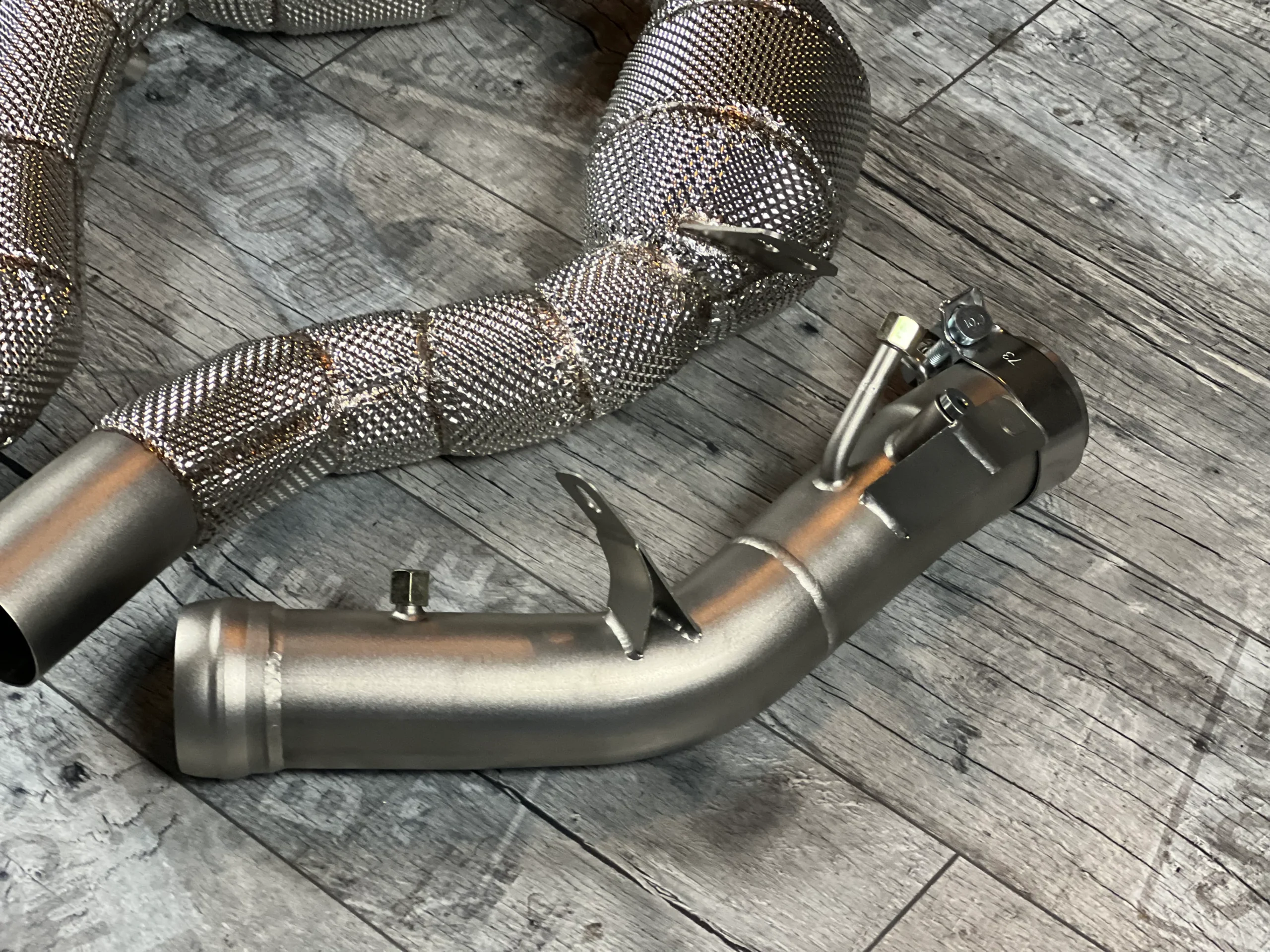
Mercedes-AMG vehicles are known for combining luxury, advanced engineering, and impressive performance. For enthusiasts who want a more aggressive exhaust note, improved exhaust flow, and a sportier driving experience, upgrading the downpipes is a popular modification. Downpipes connect the turbochargers to the rest of the exhaust system, making them an important part of the vehicle’s exhaust pathway. Choosing the right setup requires understanding compatibility, material quality, emissions equipment, and local regulations.
Understanding the Role of Downpipes
A downpipe carries exhaust gases away from the turbocharger and toward the catalytic converter and remaining exhaust system. Factory downpipes are designed to balance performance, emissions compliance, noise levels, and everyday comfort. Performance-oriented replacements may use smoother bends, larger internal diameters, and less restrictive construction to improve exhaust flow.
Depending on the vehicle and the rest of the exhaust system, a downpipe upgrade can change throttle response, turbocharger sound, and overall exhaust character. However, results vary, and a downpipe alone does not guarantee a specific horsepower increase. Supporting modifications, software calibration, and professional installation may also influence the outcome.
Mercedes-AMG GT63 X290 Downpipes
The Mercedes-AMG GT63 X290 is a high-performance luxury four-door coupe powered by a twin-turbocharged V8. Its sophisticated drivetrain and electronically controlled systems make component compatibility especially important when selecting aftermarket exhaust parts. mercedes gt63 x290 downpipes are designed for owners seeking improved exhaust flow and a more pronounced performance-oriented sound.
When shopping for GT63 X290 downpipes, buyers should verify the exact model year, engine configuration, drivetrain, and connection points. High-quality options are typically manufactured from stainless steel or other heat-resistant materials. TIG-welded joints, accurate flange placement, and properly designed oxygen-sensor ports can help support durability and reliable installation.
Some downpipe options are intended for track or off-road use, while others retain catalytic converters. The right choice depends on whether the vehicle is driven primarily on public roads, used for motorsport, or built for a dedicated performance application.
Choosing a Downpipe for the Mercedes-AMG E53
The Mercedes-AMG E53 offers a different performance platform from the V8-powered GT63. Depending on the generation and engine specification, it uses a turbocharged powertrain with its own exhaust design and fitment requirements. This means parts developed for another AMG model should never be assumed to fit without confirmation.
A suitable downpipe mercedes e53 amg upgrade should be selected according to the exact chassis, engine, and production year. Enthusiasts often consider these components to improve exhaust flow and enhance the vehicle’s sporty character. Before purchasing, check whether the product is designed for the E53’s specific turbocharger layout and whether it works with the factory exhaust or an aftermarket cat-back system.
Material quality also matters. Stainless-steel construction, strong welds, and appropriate heat management can help the downpipe withstand the high temperatures produced by a turbocharged engine. A professional installer can also inspect clearances and ensure sensors and connections are correctly positioned.
Mercedes-AMG E63 W213: Catted vs. Catless
The W213-generation Mercedes-AMG E63 is powered by a twin-turbocharged V8 and has a strong aftermarket following. One of the most important decisions for owners is choosing between catted and catless downpipes. mercedes e63 w213 catted and catless downpipes offer different compromises in sound, emissions equipment, and intended use.
Catted downpipes include catalytic converters that help reduce harmful exhaust emissions. They are generally the more practical option for street-driven vehicles, although legality and emissions compliance depend on the product and local regulations. A quality catted downpipe may provide a sportier exhaust tone while retaining more of the emissions-control functionality of the original system.
Catless downpipes remove the catalytic converters and are typically designed for competition, closed-course, or off-road applications where permitted. They can produce a louder, more aggressive sound and may reduce exhaust restriction, but they can also increase emissions, trigger warning lights, create stronger exhaust odors, and violate road-use regulations. They may also require compatible engine calibration, depending on the vehicle and setup.
Installation and Tuning Considerations
Downpipe installation should be handled by a qualified technician familiar with Mercedes-AMG vehicles. Incorrect installation can cause exhaust leaks, sensor problems, rattles, or heat-related issues. It is also important to inspect gaskets, fasteners, oxygen-sensor wiring, and nearby components during installation.
Some performance downpipes may require ECU tuning to accommodate changes in exhaust flow. However, tuning should be performed by a reputable professional using a calibration appropriate for the vehicle and fuel. Owners should also understand that modifications can affect warranty coverage, inspection requirements, and emissions compliance.
Final Thoughts
A well-selected downpipe can be a meaningful upgrade for Mercedes-AMG enthusiasts who want a more engaging exhaust experience. Whether considering the GT63 X290, E53 AMG, or E63 W213, the most important factors are correct fitment, construction quality, intended use, and legal compliance. By choosing the right product and relying on professional installation, owners can make informed decisions that complement their vehicle’s performance and long-term reliability.