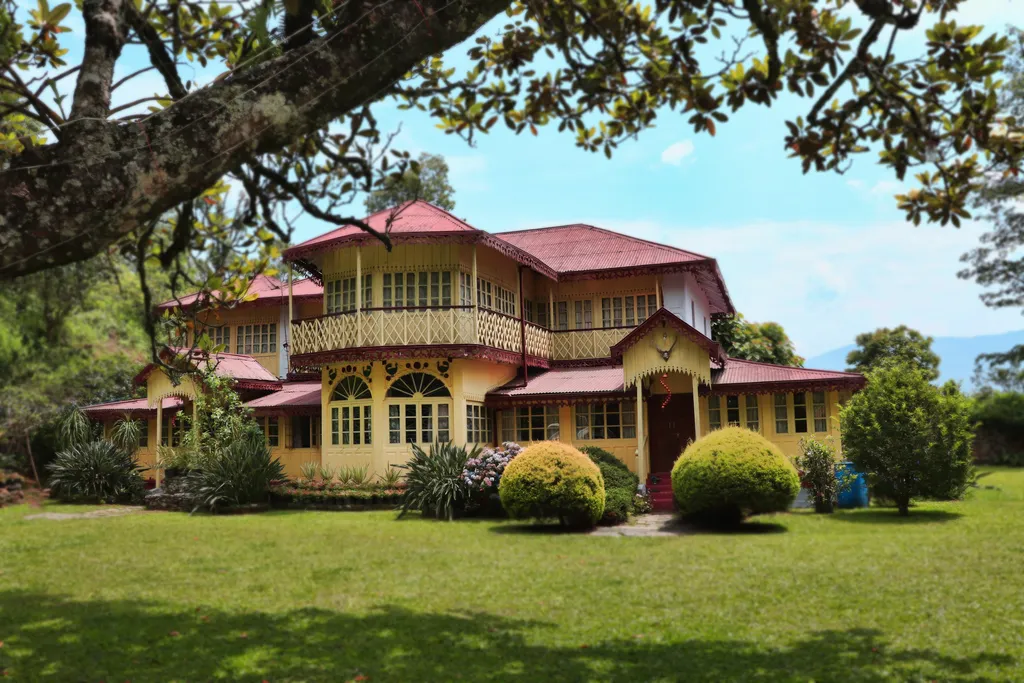
There’s a certain kind of silence you notice in old homes. Not the empty kind, but the layered kind—the one that carries echoes of conversations, festivals, quiet afternoons, and lives that unfolded long before you arrived. It’s different from a hotel room. Less polished, maybe. But somehow, more real.
That’s the feeling many travelers are chasing now. Not just a destination, but a sense of place. And in India, that search is leading more and more people toward heritage homestays.
Beyond Hotels: A Shift in What Travel Means
For a long time, travel was about ticking boxes. Famous landmarks, crowded itineraries, neatly packaged experiences. Hotels fit into that rhythm—efficient, predictable, designed for comfort.
Related reportFlying Less, Feeling More: The Curious Rise of Slow Aviation
But something has shifted.
People aren’t just asking “Where should I go?” anymore. They’re asking, “What will I feel when I get there?” It’s a subtle change, but it’s reshaping how tourism works.
Heritage homestays sit right at the center of this shift. They offer something hotels often can’t—a lived-in connection to history, culture, and everyday life.
What Makes a Heritage Homestay Different?
At its core, a heritage homestay is usually an old property—sometimes a haveli, a colonial bungalow, a restored palace, or even a centuries-old family home—opened up to guests.
Related reportThe Fine Print Nobody Talks About: Reading Travel Insurance Like It Actually Matters
But it’s not just about architecture.
It’s about the people who live there. The stories they share over breakfast. The way meals are cooked, often using recipes passed down through generations. The small details—handcrafted furniture, old photographs, local art—that make the space feel personal.
You’re not just checking in. You’re stepping into someone else’s world, even if only for a few days.
Heritage homestays India me kaise tourism ko reshape kar rahe hain?
In more ways than one, actually.
First, they’re decentralizing tourism. Instead of everyone heading to the same popular cities or resorts, travelers are exploring smaller towns, lesser-known regions, and rural areas. Places that might have been overlooked earlier are now finding a place on the map.
Second, they’re creating more meaningful economic opportunities at the local level. Families who own these properties can generate income without handing over control to large hotel chains. Local artisans, cooks, guides—everyone becomes part of the ecosystem.
And then there’s the experience itself. Travelers aren’t just consuming a destination; they’re engaging with it. Learning local customs, participating in daily routines, understanding cultural nuances in a way that feels organic.
It’s slower, more immersive—and for many, more memorable.
The Emotional Pull of Staying Local
There’s something quietly powerful about waking up in a place that feels lived-in.
Maybe it’s the sound of birds instead of traffic. Or the way mornings unfold without a strict schedule. You might find yourself sitting in a courtyard, sipping tea, talking to your host about the history of the house—or about life in general.
These aren’t curated “experiences” in the usual sense. They just… happen.
And that’s the point.
In a world where so much of travel is optimized and packaged, these unstructured moments stand out.
Not Without Its Challenges
Of course, heritage homestays aren’t for everyone.
They can lack the uniformity of hotels. Amenities might vary. Wi-Fi might not always be perfect. And if you’re someone who prefers complete privacy or standardized services, the unpredictability can feel uncomfortable.
There’s also the challenge of maintenance. Preserving old properties requires effort and investment. Balancing authenticity with modern comfort isn’t always easy.
But for many travelers, these imperfections are part of the charm.
A Different Kind of Luxury
It’s interesting how the definition of luxury is evolving.
For some, it’s no longer about marble floors or infinity pools. It’s about space, quiet, authenticity. A sense of being somewhere that isn’t trying too hard to impress.
Heritage homestays offer that kind of luxury. Not flashy, not overdone—but deeply rooted.
You might not get a 24/7 concierge, but you might get a home-cooked meal that tastes like it carries history in every bite.
And sometimes, that feels more valuable.
The Role of Technology and Platforms
Interestingly, digital platforms have played a big role in bringing these stays into the spotlight.
Online booking sites, social media, travel blogs—they’ve made it easier for travelers to discover and trust these properties. Reviews, photos, personal stories—all of it helps bridge the gap between curiosity and decision.
At the same time, it allows hosts to reach a global audience without losing their identity.
It’s a delicate balance, but one that’s working, at least for now.
Looking Ahead
If you step back and look at the bigger picture, heritage homestays are part of a larger shift toward conscious travel.
People are thinking more about where their money goes, how their presence impacts a place, and what they take back from the experience—not just in photos, but in perspective.
Will heritage homestays replace hotels? Probably not.
But they don’t need to.
They offer an alternative. A slower, more grounded way of exploring a country as layered and diverse as India.
And maybe that’s enough.
Because sometimes, the most memorable journeys aren’t the ones where everything goes perfectly. They’re the ones where you feel something unexpected—where a place stays with you long after you’ve left.
And in those quiet, story-filled homes, that feeling comes a little more naturally.