A water softener is one of those home systems that quietly earns its keep. You don’t always notice it when it’s working well, but you definitely notice when it isn’t. Suddenly the shower feels different. The dishes look cloudy again. Soap doesn’t lather like it used to. Towels come out of the laundry a little stiff, and the faucets start collecting that chalky buildup around the edges.
Most of the time, the problem isn’t that the softener has failed. It’s simpler than that. The salt level gets low, the system can’t regenerate properly, and hard water begins sneaking back into daily life. It’s not dramatic at first. Just a few little signs around the house. But little signs have a way of turning into bigger annoyances when nobody is paying attention.
Why Salt Is So Important
Water softeners work by removing hardness minerals like calcium and magnesium from the water. These minerals are what cause scale buildup, soap scum, dull-looking fixtures, and stiff laundry. Salt helps the system refresh itself through a process called regeneration, allowing the softener to keep doing its job.
When there isn’t enough salt in the brine tank, the softener may still run, but it won’t perform the way it should. That means untreated water can move through the home, carrying minerals into pipes, water heaters, dishwashers, washing machines, and showers.
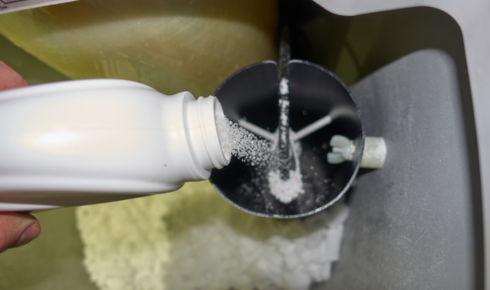
This is why a regular salt refill service can be such a practical solution. Instead of waiting until the tank is nearly empty, or remembering at the worst possible time, homeowners can keep their system supplied without dragging heavy bags from the store.
The Chore Nobody Really Enjoys
Let’s be honest. Buying softener salt is not anyone’s favorite errand. The bags are heavy, awkward, and usually messy. You load them into a cart, lift them into the car, carry them into the garage or basement, cut them open, and try to pour without spilling salt everywhere.
For some people, it’s just annoying. For others, it’s genuinely difficult. Older homeowners, busy families, people with back problems, or anyone with stairs between the driveway and the softener knows exactly how unpleasant it can be.
And because it’s inconvenient, it gets postponed. The tank gets low. The system works harder. Then the signs of hard water slowly come back. It’s the kind of maintenance task that seems small until skipping it starts affecting the whole home.
Making Maintenance Feel Effortless
The best home services are often the ones that remove friction from everyday life. Nobody wants to spend weekends thinking about water treatment. They want clean dishes, comfortable showers, reliable appliances, and one less thing on the mental checklist.
That’s where hassle-free maintenance becomes valuable. A dependable refill plan helps homeowners avoid last-minute store runs, heavy lifting, and guesswork. It keeps the softener running more consistently, and it gives people a little breathing room in their already busy routines.
It’s not a luxury in the flashy sense. It’s more like having someone quietly handle the thing you always meant to do but kept forgetting. And there’s something pretty nice about that.
Protecting Your Appliances Over Time
Hard water doesn’t just affect comfort. It can also affect the equipment inside the home. Water heaters may collect scale. Dishwashers can leave cloudy spots. Washing machines may not clean as effectively. Coffee makers and ice machines can develop buildup, too.
Over time, mineral deposits can make appliances work harder than necessary. That may increase energy use, reduce performance, and shorten the life of expensive equipment. A softener helps reduce that stress, but only when it has enough salt to regenerate properly.
Good water softener system care is really about consistency. It’s not complicated, but it does need to happen on time. Keeping the salt tank filled is one of the easiest ways to protect the system and support the appliances that depend on softened water.
Small Signs Your Softener Needs Attention
A softener usually gives clues when it isn’t keeping up. You might notice spots on dishes, soap that feels weak, dry skin after bathing, or a slippery feeling disappearing from the water. Faucets may develop buildup faster. Shower doors may look cloudy again. Laundry may feel rougher than usual.
These signs don’t always mean the softener is broken. Sometimes the solution is as simple as checking the salt level. But if the tank has been low for a while, the system may need a little extra attention to get back to normal performance.
Regular salt refills help prevent that cycle. Instead of reacting to problems after they show up, homeowners can stay ahead of them.
Why Scheduled Service Makes Sense
Every household uses water differently. A large family may go through salt faster than a couple living alone. A home with very hard water may need more frequent refills than a home with moderate hardness. The softener size, water usage, and local water conditions all matter.
A scheduled service can be adjusted around real household needs. That means the tank doesn’t sit empty, and homeowners don’t have to keep guessing. It also helps avoid overfilling, underfilling, or using the wrong type of salt for the system.
That kind of routine makes water care feel less like a chore and more like a normal part of home ownership.
Comfort You Can Actually Feel
Soft water changes small things in noticeable ways. Showers feel better. Shampoo rinses more easily. Skin may feel less dry. Towels and clothes feel softer. Dishes look cleaner without constant wiping. Even the bathroom can stay brighter because scale and soap scum don’t build up as quickly.
These are not dramatic upgrades, but they affect daily life. And when hard water returns, people usually realize how much they appreciated the softener in the first place.
A Simple Service With Real Value
Maintaining a water softener doesn’t have to be difficult. The system just needs the right support at the right time. Salt refills are simple, but they matter. They help the softener regenerate, protect household appliances, reduce mineral buildup, and keep water feeling the way it should.
In the end, it’s about making home care easier. No heavy bags. No forgotten tank. No sudden return of hard water problems. Just a reliable routine that keeps the system doing its quiet, useful work in the background.
Sometimes the smartest home improvement isn’t a new appliance or a big renovation. Sometimes it’s simply taking one annoying job off your plate and letting your water softener keep working the way it was meant to.