There’s something deeply ordinary about filling a glass from the kitchen tap. You turn the handle, wait a second, and there it is. Water. Simple enough. But anyone who has ever taken a sip and noticed a strange taste, a faint smell, or a cloudy look knows that “just water” can suddenly become something you think about a lot.
Most of us don’t want to obsess over what’s coming from the tap. We want to trust it. We want water that tastes fresh in a morning coffee, rinses vegetables properly, fills a child’s bottle without worry, and doesn’t leave us wondering whether bottled water is the safer habit. That’s really where home water treatment starts to make sense. Not as some fancy upgrade for perfectionists, but as a practical way to make daily life feel a little cleaner, calmer, and easier.
When Clear Water Still Raises Questions
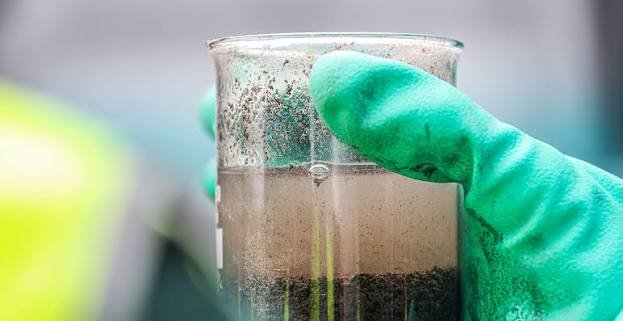
The tricky thing about water quality is that problems aren’t always obvious. Water may look clear and still contain minerals, chlorine, sediment, dissolved solids, or other unwanted substances. On the other hand, a slight cloudiness might be harmless air bubbles. So, guessing isn’t always helpful.
Related reportUnderstanding Water Quality Issues: How Iron and Sediment Affect Your Home
Taste is often the first clue. A metallic edge, a chlorine bite, or a flat, stale flavour can make tap water less appealing. Some people stop drinking enough water simply because they don’t enjoy the taste at home. It sounds small, but it matters. When water tastes better, people naturally drink more of it.
Then there are the little signs around the house. White spots on glassware. Scale in the kettle. Ice cubes that taste odd. A coffee machine that needs cleaning more often than expected. These things may not scream emergency, but they do suggest the water could use a closer look.
Why Testing Comes Before Choosing a System
A lot of homeowners make the mistake of buying a filter first and asking questions later. It’s understandable. You see a product with good reviews, it promises better water, and you think, “That’ll probably do.” Sometimes it does. Other times, it misses the real issue.
Related reportWater Purification at Home: A Practical Guide to Better Drinking Water Quality
A water test gives you a starting point. It can show hardness, chlorine levels, sediment, total dissolved solids, iron, sulfur, or other concerns depending on your local supply. Once you know what you’re dealing with, the solution becomes less of a gamble.
This is especially important for homes on private wells, older plumbing, or areas with known water quality complaints. Municipal water is usually treated before it reaches homes, but that doesn’t mean every household experiences the same quality at the tap. Pipes, fixtures, and local conditions can all affect the final result.
Where Advanced Drinking Water Systems Help
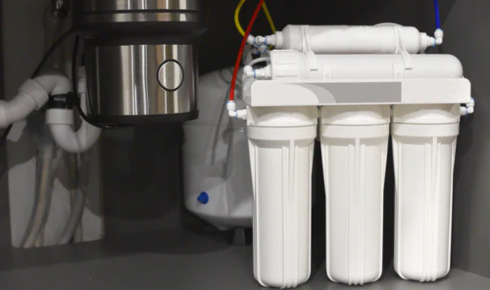
For many families, reverse osmosis is a popular choice when they want more refined drinking water at the kitchen sink. These systems typically use a semi-permeable membrane to reduce many dissolved substances that simpler filters may not catch. The result is often water that tastes cleaner, looks clearer, and feels more reliable for cooking and drinking.
It’s not always necessary for every home, and it should be chosen based on actual needs. But for people dealing with high dissolved solids, persistent taste problems, or specific water concerns, an RO system can be a smart option. Many homeowners also like having it connected to a separate drinking water faucet, so everyday use stays convenient.
Related reportMaking Better Water Part of Everyday Life at Home
There is, of course, some maintenance involved. Filters and membranes need replacement at proper intervals. Ignoring that part defeats the purpose. But with normal care, a good system can become one of those home improvements you stop noticing because it simply works.
Not Every Water Problem Is the Same
Some water issues need a more targeted approach. A basic carbon filter may help with chlorine taste and smell. A sediment filter can catch dirt, sand, rust, or tiny particles. A softener may help with hardness. Iron filters, sulfur systems, ultraviolet treatment, and other options may be useful depending on the source of the problem.
That’s where specialty filtration can make a real difference. Instead of treating all water problems as if they’re identical, these systems are designed around particular concerns. A home with iron staining needs something different from a home with chlorine taste. A well-water property may need a different setup from a city-water apartment. It’s not one-size-fits-all, and honestly, it shouldn’t be.
The best setup is usually the one that quietly solves the actual problem without adding unnecessary cost or complexity.
Related reportClean Water at Home: Understanding the Right Treatment Solutions for Everyday Living
Better Water Changes Daily Habits
One of the nicest things about improved drinking water is how naturally it changes behaviour. People start filling reusable bottles instead of buying plastic ones. Children may be more willing to drink water. Tea and coffee taste closer to how they should. Soups, rice, pasta, and even ice feel a bit fresher.
You may also notice fewer complaints from guests. No one politely asking, “Do you have bottled water?” No odd smell when the glass is lifted. No hesitation before using the tap for cooking. These are small moments, but they add up.
And yes, there’s a financial side too. Depending on the household, relying less on bottled water can save money over time. It also cuts down on plastic waste, which feels good in a practical, non-preachy sort of way.
Related reportThe Quiet Kitchen Upgrade That Makes Everyday Water Better
Keeping the System Working Properly
A water treatment system is not something to install and forget forever. Filters get used up. Membranes wear down. Storage tanks may need attention. If the system is neglected, water quality can drop and performance may suffer.
Regular maintenance does not have to be difficult. Most systems have recommended service schedules, and professional technicians can check performance when needed. Homeowners should pay attention to taste changes, slower flow, unusual smells, or visible particles. Those little clues can mean it’s time for a filter change or inspection.
Proper upkeep is also what protects the investment. A well-maintained system can keep delivering better water for years, while a neglected one becomes just another thing under the sink.
A Sensible Step Toward Peace of Mind
Good water doesn’t need to feel complicated. It should feel normal. That’s the whole point. You fill a glass, cook dinner, make coffee, rinse fruit, and move on with your day.
For households worried about taste, smell, dissolved solids, or broader contaminant removal the smartest first step is testing. From there, choosing the right system becomes much easier. No guessing, no overbuying, no chasing problems with the wrong solution.
Better water may not be the flashiest home upgrade, but it’s one you use constantly. Every drink, every meal, every quiet moment at the sink. And sometimes, improving the basics is what makes a home feel genuinely better.