Most of us assume the water coming out of the tap is fine until something gives us a reason to question it. Maybe the water looks cloudy after a plumbing repair, a glass has an unfamiliar taste, or a family member mentions that the well water smells different after heavy rain. These moments can leave you wondering whether there’s actually a problem or whether you’re simply noticing something that has always been there.
The honest answer is that appearance alone doesn’t tell the whole story. Water can look clear and still contain substances that require attention, while visible particles don’t automatically mean it’s dangerous. Understanding what’s in your water takes a little investigation, but that effort can help you make better decisions about filtration, maintenance, and everyday use.
Start With the Signs You Can See
Household clues are often the first indication that something deserves a closer look. White deposits around faucets may suggest hard water, orange stains can sometimes point toward iron, and cloudy water may contain tiny air bubbles or suspended particles. The cause isn’t always obvious, though, and similar symptoms can have different explanations.
For instance, a glass of cloudy water may clear after standing for a few minutes if the appearance comes from trapped air. If the cloudiness remains, further investigation may be useful. A sudden change in taste, smell, or color deserves attention as well, particularly if it affects several faucets or appears after a storm, plumbing repair, or interruption in the water supply.
Visible sediment can come from disturbed pipes, well conditions, or other sources. Fine particles may settle at the bottom of a container, collect in faucet aerators, or leave deposits inside fixtures. A sediment filter can help capture certain suspended particles, but it won’t necessarily remove dissolved chemicals or microorganisms. Identifying the source is important before deciding which equipment to install.
Why Water Testing Matters
Testing provides a clearer picture than guessing based on taste or appearance. The appropriate analysis depends on where your water comes from, the local environment, and the concerns you’re trying to investigate.
If your home receives municipal water, reviewing the supplier’s water-quality report is a useful starting point. These reports typically describe the source, treatment processes, and results of routine monitoring. However, they may not identify problems that develop inside your own plumbing, such as certain issues associated with older pipes or household fixtures.
Private wells need a more individual approach. Groundwater conditions can vary from one property to another, even when the homes are close together. Well construction, nearby land use, flooding, and local geology can all influence water quality. Regular testing helps homeowners understand those changes rather than assuming the water will remain the same year after year.
A basic screening test can be useful for characteristics such as hardness or pH, but it shouldn’t be treated as a complete safety assessment. If the concern involves bacteria, lead, or other health-related contaminants, use an appropriate method and consider a certified laboratory. Follow the sample collection instructions carefully; otherwise, the results may not accurately represent the water.
Understanding Nitrates in Drinking Water
Some water-quality concerns are difficult to detect without laboratory testing. Nitrates, for example, can enter groundwater through sources such as agricultural fertilizer, animal waste, and certain septic-system problems. They generally don’t create an obvious taste, smell, or color change, so appearance alone cannot establish whether their levels are acceptable.
This is one reason private well owners should follow testing recommendations from their local health department or water authority. The appropriate testing schedule depends on local risks and circumstances. Additional testing may be advisable after flooding, well repairs, or other events that could affect the water source.
Nitrate testing is especially important when water is used to prepare infant formula, because elevated levels can pose a serious health risk to babies. If a result exceeds the applicable drinking-water guideline, seek advice from the relevant public-health authority about safe water use and suitable treatment options.
Not every filter reduces nitrates. Treatment methods need to be selected according to the test results and the manufacturer’s verified performance claims. Reverse osmosis and certain ion-exchange systems may be appropriate in specific situations, but their effectiveness depends on the equipment, installation, and maintenance. Don’t assume a general-purpose carbon filter will solve the problem.
PFAS and Other Contaminants That Need Special Attention
Water testing has become more complicated as people learn about substances that aren’t easily detected through ordinary household checks. Per- and polyfluoroalkyl substances, commonly known as PFAS, are a group of chemicals used in a range of industrial and consumer applications. Some can persist in the environment and may enter water supplies through particular sources of contamination.
When homeowners have PFAS concerns, it helps to begin with reliable local information rather than relying on online claims or a salesperson’s demonstration. Check whether the water supplier has published relevant monitoring results, and consult local environmental or public-health agencies for information about known concerns in the area.
If testing is warranted, use a laboratory capable of analysing the specific PFAS compounds of interest. Not every water test includes them, and a routine home screening should not be assumed to provide an answer. The laboratory’s sampling instructions are important because the collection process can affect the reliability of results.
Treatment options may include certain activated carbon filters, reverse osmosis systems, or other technologies with verified performance for the particular PFAS compounds being targeted. Effectiveness varies by system and operating conditions. Check independent certification and replacement requirements, and follow current public-health guidance if contamination is confirmed.
PFAS aren’t the only substances that may require targeted testing. Depending on local conditions, homeowners may also need to consider arsenic, lead, bacteria, pesticides, or other contaminants. The goal is not to test for everything indiscriminately, but to choose appropriate tests based on the water source and credible local risks.
Choosing Filtration After You Have the Results
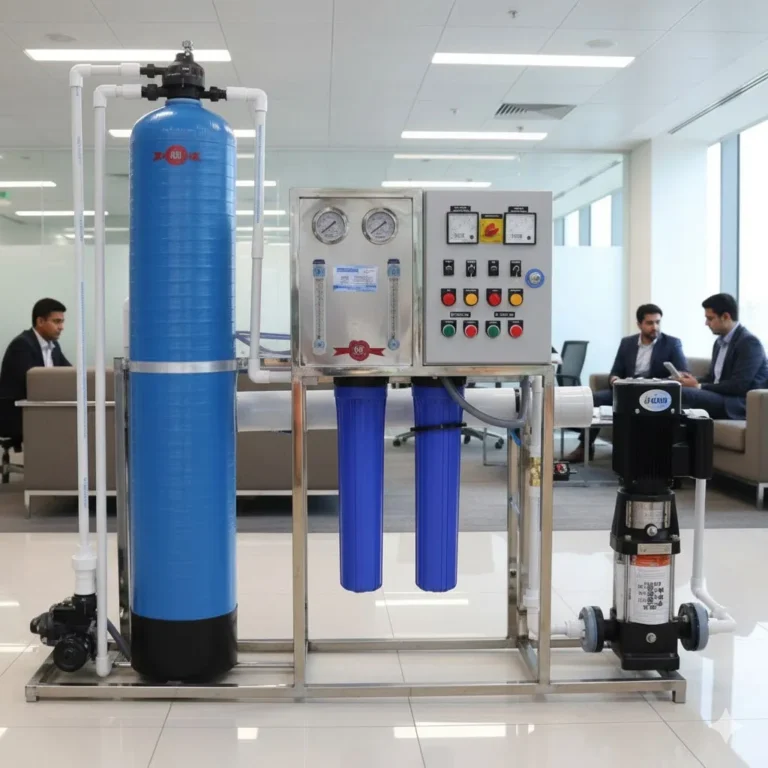
Once you understand the test results, comparing treatment systems becomes much more straightforward. Sediment filters capture particles, activated carbon can reduce certain tastes and odors, water softeners address hardness, and reverse osmosis can reduce many dissolved substances. Each technology has its own capabilities and limitations.
Ask providers to explain which contaminants a proposed system is designed to reduce and what evidence supports that claim. Look for relevant independent certifications, and check whether the equipment is correctly sized for your household’s water use. A system that works well at one kitchen faucet may not be suitable for treating water throughout a large home.
Maintenance deserves just as much attention as the initial purchase price. Filters need replacement, membranes have a limited service life, and some systems require periodic cleaning or professional servicing. If maintenance is neglected, performance may decline even when the equipment originally suited your needs.
Make Decisions With Better Information
Water quality can seem complicated, but homeowners don’t need to know every detail of water chemistry to take sensible steps. Start by noticing changes, reviewing available water-quality information, and arranging suitable testing when necessary. Then compare treatment options based on the actual results rather than broad promises.
If a result is difficult to interpret, ask the laboratory or a qualified water professional to explain what it means and whether further action is recommended. When a health-related concern is identified, follow guidance from the appropriate public-health authority rather than relying on a filter advertisement.
Ultimately, good water management is about understanding your own supply and responding to its specific needs. A thoughtful approach can help you avoid unnecessary equipment, maintain the system you choose, and feel more confident about the water your household uses every day.