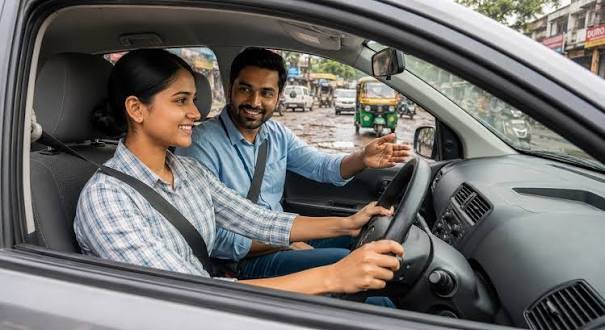
Most people remember the first time they sat behind the steering wheel and realized how much there was to think about. The road might have looked familiar from the passenger seat, but being responsible for the vehicle changed everything. Suddenly, mirrors, signals, speed, pedestrians, and other cars all demanded attention at once. Even a simple turn could feel like a complicated task.
That feeling is a normal part of learning. Driving is a practical skill that develops through repetition, observation, and experience. Some learners become comfortable quickly, while others need more time to trust their decisions. Neither approach is a problem. What matters is developing safe habits and understanding that becoming a capable driver takes more than learning how to operate a car.
Learning More Than the Basics
At first, driving lessons usually focus on vehicle control. Learners practice adjusting their seats, checking mirrors, steering smoothly, accelerating gradually, and stopping without sudden movements. These actions may seem basic, but they create the foundation for safe driving.
Once those skills become more familiar, learners can begin paying greater attention to the environment around them. They learn to identify hazards early, anticipate the behavior of other road users, and make decisions without rushing. This shift is important because driving safely depends on what happens outside the vehicle just as much as what happens inside it.
A driving evaluation can help identify how well these skills are developing. It may highlight strengths, such as good vehicle control, while revealing areas that need more work, including observation, speed management, lane positioning, or parking. The purpose should be improvement rather than criticism. Clear feedback gives learners a practical starting point for their next session.
Why a Structured Approach Works
Learning without a plan can leave students practicing the same comfortable routes while avoiding the skills they find difficult. A learner who feels confident on quiet residential streets might continue driving there for weeks without getting enough experience with intersections, lane changes, or busier traffic.
Structured driving lessons help prevent this uneven progress. They introduce skills in a logical order, giving learners time to understand each task before combining it with more demanding situations. Basic steering and braking may come first, followed by turns, intersections, parking, and more complex traffic conditions.
Structure doesn’t mean every lesson must follow an inflexible script. In fact, good instruction should adapt to the learner. If a student struggles to judge a safe gap before turning, it makes sense to spend additional time on observation and decision-making. If that skill is already strong, the instructor can focus on another area.
This kind of flexibility helps learners make steady progress without feeling that they must keep pace with someone else. Driving isn’t a race, and rushing through essential skills can create problems later.
Building Confidence Through Real Practice
Confidence often grows when learners encounter a situation several times and discover that they can handle it safely. A first attempt at parallel parking may involve too much steering, awkward positioning, and a fair amount of frustration. After several calm attempts, the same maneuver begins to feel more manageable.
That improvement comes from practice, but the quality of practice matters. Repeating an incorrect technique can reinforce a bad habit. Learners benefit most when they receive feedback, understand what needs to change, and try again with a clearer plan.
Behind-the-wheel training gives students the opportunity to apply road rules in real conditions rather than only discussing them in a classroom. They can practice maintaining a safe following distance, responding to traffic signals, checking blind spots, and adjusting speed as conditions change. These skills become more reliable when learners use them repeatedly under appropriate supervision.
Practice should also include reflection. After a drive, consider which decisions felt comfortable and which ones required too much hesitation. Perhaps merging into traffic was difficult, or the learner forgot to check a mirror before changing lanes. Recognizing a specific issue makes the next session more useful.
Managing Nerves When the Pressure Rises
Driving can be stressful when a learner feels watched or worries about making a mistake. This is particularly common before a practical test. Even someone who drives well during lessons may become tense when an examiner is sitting nearby.
Nervousness can affect concentration. A learner might rush through a familiar maneuver, forget a signal, or focus so much on avoiding mistakes that they overlook what’s happening around the vehicle. The answer isn’t to demand that all anxiety disappear. Instead, learners can develop routines that help them stay focused.
Before starting the car, adjust the seat and mirrors, fasten the seat belt, and take a few steady breaths. During the drive, concentrate on the immediate task rather than imagining the final result. If an intersection is approaching, focus on speed, observation, positioning, and the traffic around it.
It’s also helpful to accept that small mistakes happen. A safe response is to remain calm and continue driving responsibly, rather than becoming distracted by what has already happened. Trying to compensate for one error with a rushed maneuver can make a minor problem much worse.
Developing Better Awareness of Other Road Users
Driving isn’t a solo activity. Every journey involves sharing space with people who may be walking, cycling, riding motorcycles, or operating larger vehicles. Their movements can be difficult to predict, especially in crowded areas.
Good drivers look beyond the vehicle immediately ahead. They scan farther down the road, check mirrors regularly, and remain alert to changes in traffic. Near schools, crossings, and residential streets, they should be particularly attentive to children and pedestrians who may enter the roadway unexpectedly.
Following distance is another important part of awareness. Leaving enough space gives a driver more time to react if the vehicle ahead brakes suddenly. Tailgating may feel like a way to make progress in slow traffic, but it reduces the margin for error and increases risk.
Weather and visibility also influence decisions. Rain can make roads slippery, while darkness may make pedestrians and cyclists harder to see. Reducing speed when conditions demand it is a sign of sound judgment, not poor driving ability.
Choosing Guidance That Supports Progress
A useful instructor creates an environment where learners can ask questions, make supervised mistakes, and understand how to improve. They should explain the reasons behind their instructions instead of relying entirely on commands such as “turn now” or “slow down.”
Learners can support their own progress by communicating openly. If a particular maneuver feels confusing, they should say so. If they aren’t sure why a mistake occurred, asking for a demonstration or explanation can prevent the same issue from recurring.
It’s equally important to practice within legal requirements and personal ability. Learners should follow local supervision rules and avoid attempting difficult conditions before they are ready. More driving time is not automatically better if the practice is unsafe or unproductive.
Progress That Continues After the Test
Passing a driving test is an achievement, but it marks the beginning of independent driving rather than the end of learning. New drivers still need experience with unfamiliar routes, heavy traffic, night journeys, and changing weather.
The strongest foundation comes from steady practice, honest self-assessment, and a willingness to improve. Learners don’t need to master every situation immediately. They need to understand their current limits, make careful decisions, and keep developing their skills.
Over time, the controls become more familiar and road awareness begins to feel less like a checklist and more like a natural part of driving. That confidence is worth building patiently. The real measure of success isn’t simply earning a license; it’s being able to make thoughtful decisions and share the road safely, journey after journey.