Water looks simple. It’s clear, familiar, and something we use dozens of times a day without really thinking about it. But what’s in that water can vary depending on the source, local environment, plumbing, and treatment process. For homeowners, that can make water quality feel a little confusing.
You may notice an unpleasant taste, strange odor, staining, or sediment and wonder whether there’s a larger issue behind it. The answer isn’t always obvious, which is why understanding common contaminants and choosing filtration based on actual water conditions is so important.
Start With Knowing Your Water
The first step in improving water quality is learning what you’re dealing with. Municipal water supplies are treated before distribution, while private wells have their own unique characteristics. Neither situation should be approached with assumptions.
Related reportWhat Your Water Is Really Carrying: Understanding Copper, Iron, and Phosphates
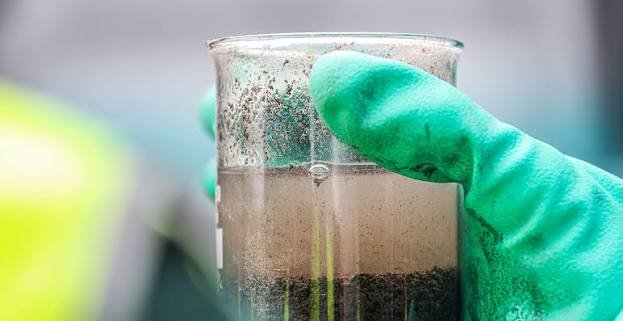
A basic water test can provide useful information about minerals, pH, sediment, disinfectants, and other substances. For well owners, regular testing can be especially valuable because groundwater conditions can change.
Testing also helps prevent unnecessary spending. There’s little point in purchasing an advanced filtration system designed for a contaminant that isn’t actually present in your water.
Understanding Pesticides in Water
Agricultural areas can sometimes raise concerns about chemical runoff. During rainfall or irrigation, substances used on crops may move through soil and eventually reach surface water or groundwater.
Related reportWater Purification at Home: A Practical Guide to Better Drinking Water Quality
pesticides are a broad category that includes chemicals used to control insects, weeds, fungi, and other agricultural pests. Their presence and concentration can vary significantly depending on local conditions.
If pesticides are a specific concern, homeowners shouldn’t assume that an ordinary carbon filter will automatically remove every compound. Different chemicals behave differently, and treatment effectiveness depends on the particular substance and filtration technology.
Testing first is the sensible approach. Once a specific contaminant has been identified, you can look for a treatment method that has been tested for that particular compound.
What About Herbicides?
Herbicides are another group of chemicals that may enter water through agricultural or landscaping activity. They are used primarily to control unwanted vegetation.
Related reportClean Water at Home: Understanding the Right Treatment Solutions for Everyday Living
The presence of herbicides in water isn’t something homeowners should try to determine by taste or appearance. Many contaminants have no obvious smell, color, or flavor, so visual inspection alone isn’t enough.
If testing indicates a concern, professional advice can help determine what treatment is appropriate. Some filtration technologies can reduce particular organic chemicals, but performance varies considerably depending on the compound, filter design, contact time, and water chemistry.
Heavy Metals Require Special Attention
Another category worth understanding is heavy metals. These can enter water through natural geological conditions, industrial activity, or corrosion of certain plumbing materials.
Lead is one example that has received significant attention because older plumbing and fixtures can sometimes contribute to exposure. Other metals, such as arsenic, iron, copper, or manganese, can also occur in certain water sources.
Importantly, not every filter removes every metal. Some systems are specifically designed for particular contaminants, while others may have little effect on them. If a test shows elevated levels of a metal, choose a treatment system based on verified performance for that specific substance.
Related reportWhy Professional Water Testing Matters More Than Most Homeowners Realize
Filtration Isn’t One-Size-Fits-All
One of the biggest misconceptions about water treatment is that a single filter can remove everything. In reality, filtration technologies have different strengths.
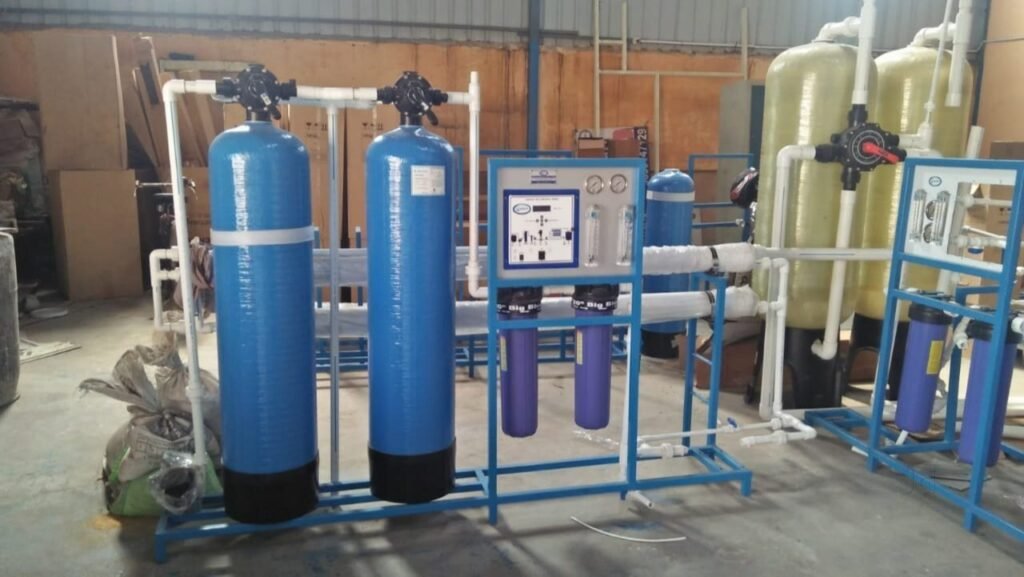
Activated carbon is commonly used for improving taste and odor and can reduce certain organic compounds. Sediment filters are designed to capture particles. Reverse osmosis can provide more intensive treatment for certain dissolved substances.
Some homes use multiple treatment stages because different media can address different concerns. That can be effective when the system is properly designed, but more stages don’t automatically mean better water.
Related reportUnderstanding Water Quality Issues: How Iron and Sediment Affect Your Home
The goal should always be targeted treatment rather than simply adding equipment.
Don’t Forget Your Plumbing
Water quality isn’t determined only by the source. Once treated water enters a home, it travels through pipes, fixtures, faucets, and appliances.
Older plumbing can sometimes affect water quality, particularly when materials corrode or deteriorate. If you’re concerned about what’s coming from the tap, consider testing water at the point of use rather than relying exclusively on information about the incoming supply.
This is one reason homeowners may sometimes notice differences between water tested at the source and water coming from a particular faucet.
Maintenance Makes a Difference
A filtration system needs proper maintenance to keep performing as intended. Filters have a limited capacity, and media can become less effective as they collect contaminants.
Follow the manufacturer’s replacement schedule and keep track of when cartridges or other components were changed. If water pressure drops, taste changes, or unusual odors return, investigate rather than assuming the system is still working normally.
It’s a small task, but regular maintenance can make a significant difference over time.
Choosing a Smarter Water Treatment Solution
Water quality can sound complicated when you start looking at all the possible contaminants. But the decision-making process doesn’t have to be.
Test your water first. Identify the specific concerns. Then compare treatment technologies based on verified performance, maintenance requirements, capacity, and long-term cost.
Be careful with broad claims that a filter removes “everything.” Good filtration products should clearly explain what they are designed to reduce and, ideally, provide supporting certification or performance information.
Clean water isn’t about owning the most complicated equipment. It’s about using the right treatment for the water you actually have.
Once you understand what’s in your water and how different filtration methods work, choosing a solution becomes much less intimidating. And that’s really the goal: not more technology for the sake of it, but better information leading to a practical choice for your home.