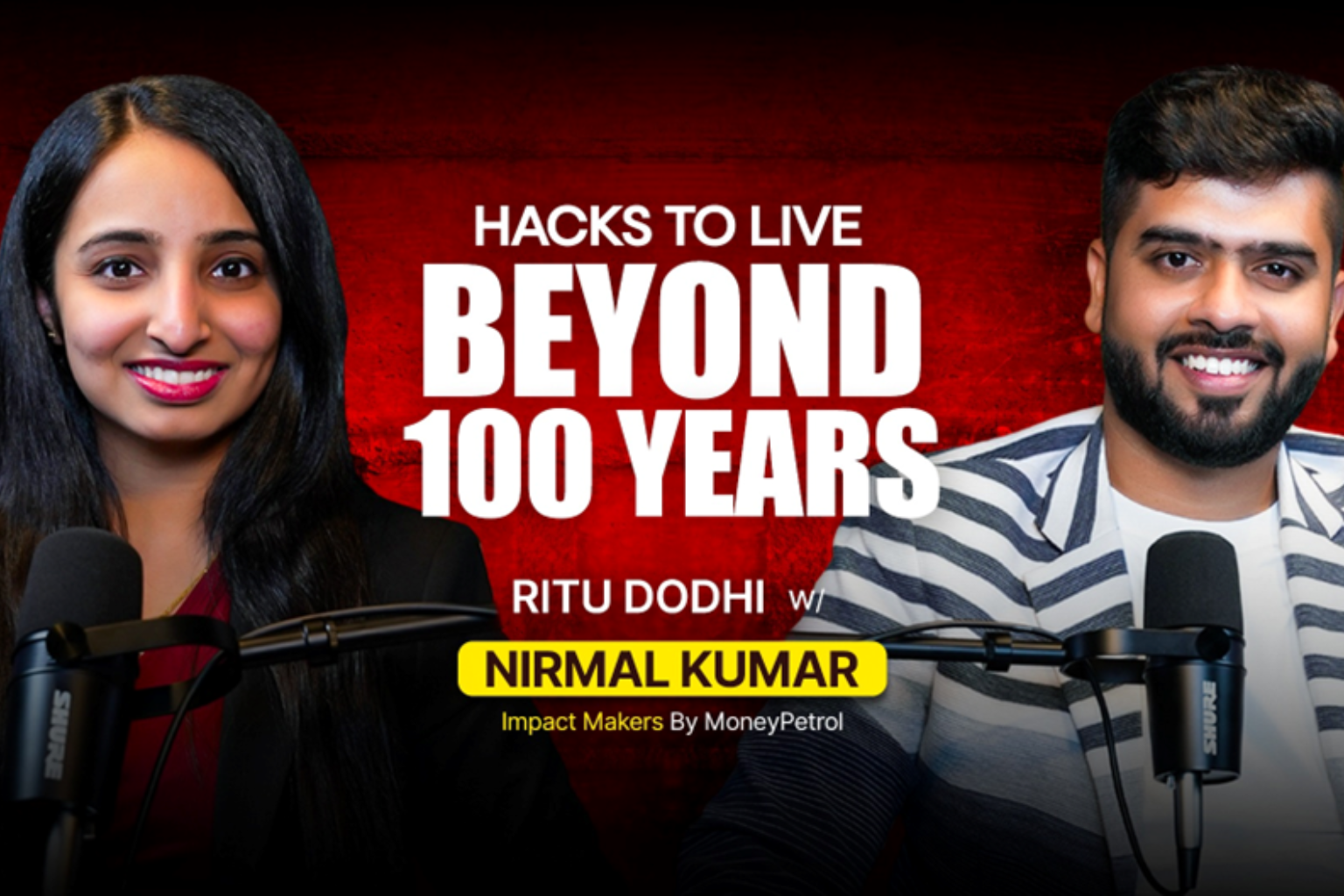
The Nirmal Kumar Podcast has opened up fascinating discussions around health, technology, and the future of human longevity. One of the most compelling conversations emerging today revolves around the idea of the “100-year life” and whether modern science can genuinely help people live longer, healthier, and more fulfilling lives. As advancements in medicine, biotechnology, and wellness continue to evolve, the question is no longer simply about extending lifespan but improving the quality of those extra years.
The Changing Definition of Aging
For generations, aging was viewed as an unavoidable process that gradually reduced energy, mobility, and independence. However, modern science is beginning to challenge traditional assumptions about how humans age. Researchers are now studying the biological mechanisms behind aging itself, exploring whether it can be slowed, managed, or even partially reversed.
Nirmal Kumar often discusses how the future of health is shifting from reactive treatment to preventive care. Instead of waiting for illness to appear, healthcare systems and wellness experts are increasingly focusing on early intervention, lifestyle optimization, and long-term vitality. This approach is changing how people think about aging and personal health management.
The growing interest in longevity science reflects a larger cultural movement toward proactive living. People are becoming more conscious about nutrition, sleep, stress management, and physical activity because they recognize that daily habits strongly influence long-term health outcomes.
Related reportDegrees, Skills, and the Changing Shape of Opportunity
Technology’s Role in Human Longevity
Technology is playing a major role in transforming healthcare and extending life expectancy. Artificial intelligence, wearable devices, genetic testing, and advanced diagnostics are helping individuals monitor their health in ways that were unimaginable just a decade ago.
Smart health technologies can now track heart rate variability, sleep patterns, blood oxygen levels, and physical activity in real time. These insights allow people to make more informed decisions about their well-being before serious health issues develop. Nirmal Kumar highlights how data-driven healthcare is empowering individuals to take greater control of their physical and mental health.
Medical innovation is also accelerating rapidly in areas such as regenerative medicine, stem cell research, and personalized treatment plans. Scientists are exploring therapies that may repair damaged tissues, improve immune system function, and delay age-related diseases. While many of these technologies are still developing, they are reshaping conversations around human longevity.
Related reportCaught Between Original and “Suspicious”: The Truth About AI Plagiarism Detection Tools
Living Longer Versus Living Better
One of the most important points raised in discussions about longevity is the difference between lifespan and healthspan. Living longer only becomes meaningful if those additional years are healthy, active, and emotionally fulfilling. Extending life without maintaining quality of life creates challenges both for individuals and society.
Nirmal Kumar emphasizes that wellness should not be measured purely by age. Physical health, emotional stability, social connection, and mental clarity all contribute to a meaningful life. This perspective encourages a more balanced approach to longevity rather than focusing solely on scientific breakthroughs.
Modern lifestyles often contribute to chronic stress, poor sleep, and unhealthy habits that accelerate aging. Even with advanced medical technologies, maintaining long-term wellness still depends heavily on consistent lifestyle choices. The future of longevity may therefore involve combining cutting-edge science with simple daily practices that support overall well-being.
The Science Behind Longevity Research
Researchers studying aging have identified several biological processes that influence how the body ages over time. Inflammation, cellular damage, oxidative stress, and genetic factors all contribute to the aging process. Scientists are investigating ways to slow these processes through targeted therapies and lifestyle interventions.
Related reportLearning in Small Bites: Why Short Lessons Are Changing How Students Actually Get Things Done
Nutrition remains one of the most widely studied aspects of longevity. Diets rich in whole foods, healthy fats, and antioxidants are often linked to lower risks of chronic disease and improved cognitive function. Exercise also plays a critical role in preserving muscle strength, cardiovascular health, and mobility as people age.
Nirmal Kumar frequently explores how scientific research is becoming more accessible to the public. People today are more informed about health optimization than previous generations, leading to greater awareness around preventive healthcare and longevity-focused lifestyles.
Mental Health and Emotional Well-Being Matter
Conversations about living longer often focus heavily on physical health, but emotional well-being is equally important. Stress, loneliness, anxiety, and emotional exhaustion can significantly impact long-term health outcomes. Studies increasingly show that strong relationships and positive mental health contribute to longer, healthier lives.
Nirmal Kumar highlights the importance of emotional resilience in modern life. In a fast-paced world dominated by constant digital stimulation and pressure, maintaining mental clarity and emotional balance has become more challenging than ever.
Practices such as mindfulness, meditation, meaningful social interaction, and work-life balance are becoming essential components of modern wellness. The future of longevity may depend not only on medical innovation but also on society’s ability to create healthier emotional and social environments.
Ethical Questions Around Longevity Science
As science moves closer to extending human lifespan, ethical and societal questions are also emerging. If people begin living significantly longer, how will this affect healthcare systems, employment, retirement, and global resources? Access to advanced treatments may also create inequalities between those who can afford cutting-edge healthcare and those who cannot.
Nirmal Kumar often approaches these discussions with a balanced perspective, acknowledging both the excitement and complexity surrounding longevity research. Scientific progress brings tremendous opportunities, but it also requires thoughtful conversations about fairness, accessibility, and the future structure of society.
The idea of the 100-year life is no longer limited to science fiction. It is becoming a realistic possibility shaped by advances in medicine, wellness, and technology. However, the broader implications of longer human lifespans will continue to evolve over time.
A Future Shaped by Wellness and Innovation
The conversation around longevity reflects a deeper human desire to live not only longer but more meaningfully. People today are increasingly searching for healthier routines, stronger relationships, and greater emotional fulfillment alongside scientific innovation.
Nirmal Kumar continues to contribute to these important discussions by exploring how science, technology, and lifestyle intersect in shaping the future of human health. As audiences become more interested in wellness, personal growth, and emerging technologies, platforms dedicated to insightful conversations, including popular Dubai podcasts, are helping expand public understanding of what the future of longevity could truly look like.