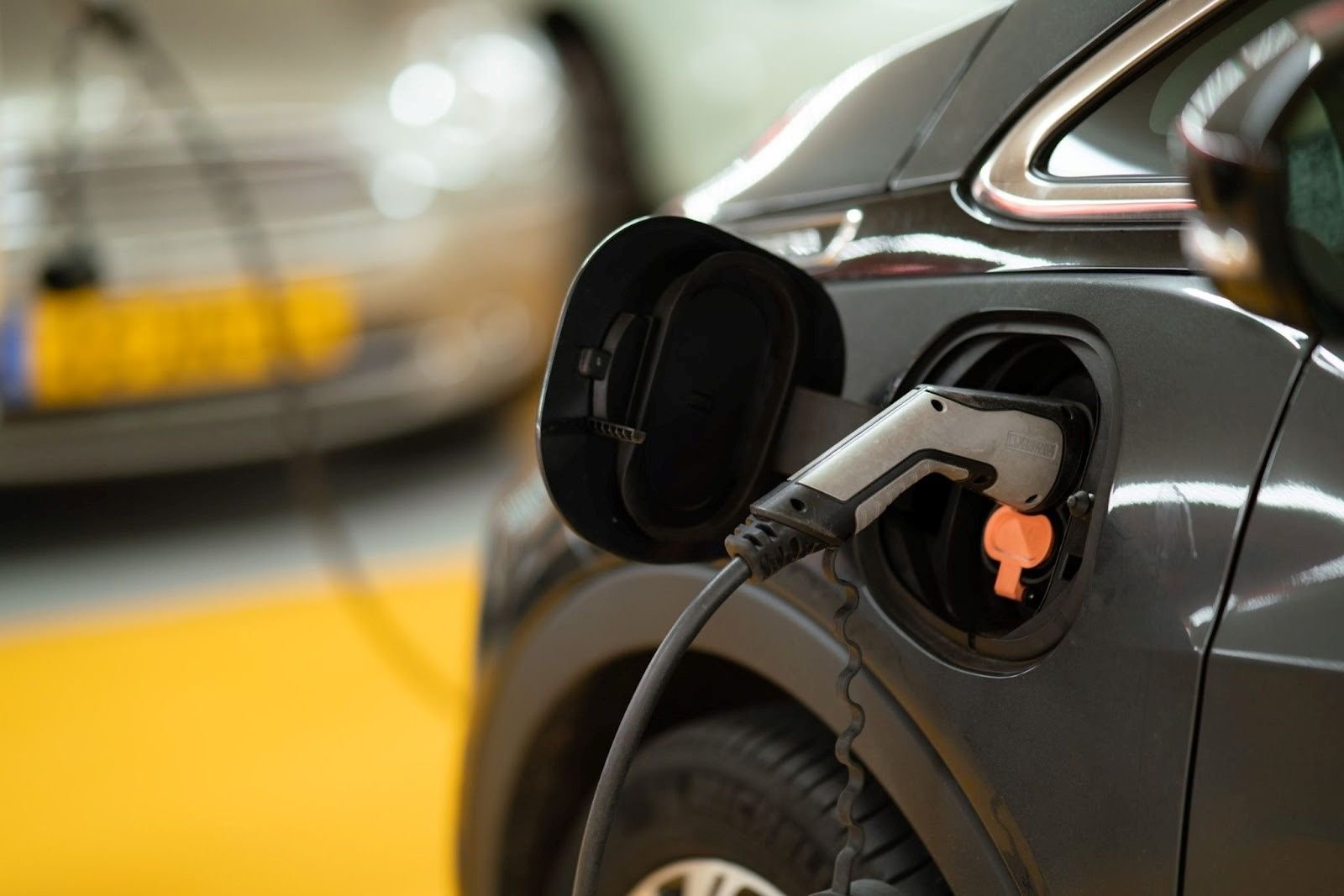
There’s something quietly fascinating about watching a market grow up. Not explode overnight, not crash dramatically—but evolve, bit by bit, through hesitation, curiosity, and a few hard lessons. That’s pretty much where India’s electric vehicle (EV) resale market stands today. Still young, a little unpredictable, but undeniably moving forward.
A couple of years ago, the idea of buying a used EV in India felt… risky. Batteries degrade, right? Charging infrastructure isn’t consistent everywhere. And honestly, there just weren’t enough resale options to even consider. But things are changing—slowly, unevenly, but noticeably.
The Early Days: Low Trust, Limited Supply
In the beginning, EV buyers were mostly early adopters—people willing to take a chance on new technology. Naturally, when it came time to resell, there wasn’t much demand waiting on the other side. Buyers were skeptical. Sellers often struggled to justify prices.
Unlike traditional petrol or diesel cars, where resale value patterns are well understood, EVs brought new questions. What’s the battery health? How much range is left? Has it been fast-charged too often? These weren’t things your average used car buyer was used to asking.
And because of that uncertainty, resale values took a hit.
What’s Changing Now?
Fast forward to today, and the picture looks… a bit more hopeful.
For starters, EV adoption itself has increased. Brands like Tata and MG have pushed electric cars into the mainstream conversation. More buyers are now aware of how EVs work, what maintenance looks like (or doesn’t), and how charging fits into daily life.
This growing familiarity is slowly improving confidence in the resale market.
At the same time, organized platforms—used car marketplaces and even OEM-backed resale programs—are stepping in. They’re trying to standardize things like battery health reports, vehicle inspections, and warranties. It’s not perfect yet, but it’s a step in the right direction.
And then there’s pricing. Used EVs, especially those just 2–3 years old, are becoming attractive for buyers who want to go electric but don’t want to pay full price for a new model.
EV resale market India me kaise evolve ho raha hai aur kya risks hain?
If you look closely, the evolution is happening in layers.
First, awareness. More people understand EV basics now, which reduces hesitation.
Second, infrastructure. Charging stations—while still not widespread everywhere—are improving in urban areas. That makes used EV ownership more practical than it was before.
Third, data. This is a big one. Buyers today expect transparency—battery health reports, service history, usage patterns. Sellers who can provide this information tend to get better deals.
But risks? They’re still very real.
Battery degradation remains the biggest concern. Unlike an engine, which gives clear signs of wear, a battery’s performance decline can feel subtle—until it’s not. Replacing a battery is expensive, sometimes making up a large portion of the vehicle’s value.
There’s also the issue of outdated technology. EV tech evolves quickly. A model from just a few years ago might have significantly less range or fewer features compared to newer ones. That affects resale value more sharply than in ICE vehicles.
And then, policy uncertainty. Subsidies, incentives, and regulations can change, and they often influence demand in ways that aren’t always predictable.
What Buyers Should Watch For
If you’re considering a used EV, a little caution goes a long way.
Start with battery health. Not just the percentage, but how it’s been used. Frequent fast charging, extreme temperatures, and heavy daily usage can all impact longevity.
Next, check warranty coverage. Many EV manufacturers offer extended battery warranties, which can be a huge relief if something goes wrong.
Also, think about your usage. If your daily commute is predictable and within the vehicle’s range, a used EV can make perfect sense. But if you rely on long-distance travel often, you might feel the limitations more.
And don’t ignore software. Updates, connectivity features, and even app integrations can differ significantly between models and years.
Sellers Aren’t Off the Hook Either
If you’re on the selling side, transparency is your best friend.
Buyers are more informed now. Trying to hide battery issues or incomplete service history usually backfires. On the other hand, clear documentation—charging patterns, maintenance records, even usage habits—can help justify a higher asking price.
Timing matters too. As newer models enter the market, older EVs can lose value faster. Selling at the right moment, before a major upgrade cycle hits, can make a noticeable difference.
The Road Ahead
The EV resale market in India isn’t fully mature yet—but it’s not stuck either. It’s learning, adapting, figuring itself out.
As battery technology improves and becomes more standardized, many of today’s concerns will likely fade. Certification systems for battery health might become as common as odometer readings. Financing options for used EVs could expand. Even insurance products are starting to catch up.
Still, it’s not a space where you can go in blindly. Whether you’re buying or selling, a bit of homework is essential.
Because right now, the EV resale market feels a bit like a conversation in progress—one where everyone’s still figuring out the rules. And maybe that’s not a bad thing. It means there’s room to make smarter decisions, spot better deals, and—if you’re careful—get ahead of the curve.