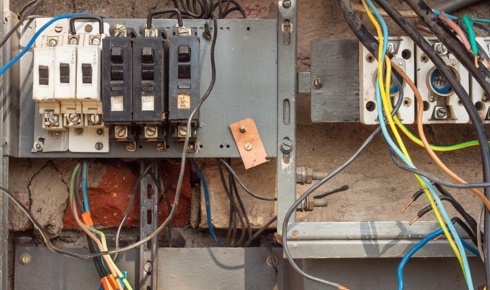
Most people do not think much about the wiring in a building. It is tucked behind walls, hidden above ceilings, running quietly through spaces we use every day. Lights switch on, appliances work, computers charge, machines run, and everything feels normal. That is usually how electricity is supposed to feel — invisible and dependable.
But older electrical systems can tell a different story.
A flickering light here, a breaker that trips now and then, a socket that feels a little warm, a buzzing sound near a panel. Small things. Easy to ignore, especially when life is busy or a business has a hundred other priorities. Yet these small signs can sometimes point to deeper problems that need proper attention.
Electrical issues are not something to guess at. They do not always announce themselves loudly before becoming serious. That is why inspections, upgrades, and timely repairs matter so much for homes, commercial buildings, rental properties, and workplaces.
Related reportThe Best Time to Service Your Water System Is Before Problems Begin
Older Buildings Often Hide More Than Character
There is a lot to love about older properties. They may have stronger materials, better room proportions, interesting details, and a certain personality that newer buildings sometimes lack. But behind that charm, the electrical system may not have kept up with modern life.
Years ago, buildings were not designed for today’s electrical demand. There were fewer appliances, fewer devices, fewer screens, fewer workstations, and certainly fewer smart systems. A property that once handled basic lighting and a handful of outlets may now be expected to support computers, security cameras, heating and cooling equipment, chargers, kitchen appliances, entertainment systems, and sometimes even EV charging.
That is where outdated wiring can become a real concern. It may still work, in the basic sense, but that does not always mean it is safe, efficient, or suitable for current needs.
Warning Signs Should Not Be Ignored
Electrical problems often begin with hints. Lights may dim when large appliances start. Breakers may trip more often than they should. A plug may fit loosely in an outlet. There may be a faint burning smell, a buzzing sound, or discoloured marks around switches and sockets.
Related reportUnderstanding Common Water Problems Before They Become Bigger Household Issues
These signs are not there to be tolerated. They are the building’s way of asking for help.
Of course, not every flicker means disaster. Sometimes the issue is minor. But without a professional inspection, it is hard to know the difference between a simple repair and a developing risk. That uncertainty is exactly why property owners should avoid DIY fixes or temporary solutions that only hide the problem.
Extension cords, overloaded power strips, and patched connections can make things worse. They may seem convenient for a while, but they are not a substitute for a properly designed electrical system.
Related reportGood Plumbing Planning Makes Homes and Businesses Work Better
The Role of the Main Power Hub
Every electrical system depends on proper control and distribution. Power has to be managed safely, circuits need protection, and the system must be able to handle the load placed on it.
This is why electrical panels deserve regular attention. They are not just metal boxes on a wall. They are central to how electricity moves through the building. If a panel is old, overloaded, poorly labelled, damaged, or no longer suitable for the property’s power demand, the whole building can be affected.
In commercial spaces, this becomes even more important. Offices, shops, restaurants, warehouses, and workshops often rely on equipment that cannot afford unreliable power. A weak or outdated setup can cause interruptions, equipment damage, or safety issues that disrupt normal work.
Safety Comes Before Convenience
Electrical repairs and upgrades are sometimes delayed because everything “still works.” That phrase can be risky. A system can appear to function while still carrying hidden problems.
Related reportUnderstanding Water Quality Issues: How Iron and Sediment Affect Your Home
Loose connections, worn insulation, overloaded circuits, poor grounding, damaged outlets, and neglected fixtures can all create safety hazards if they are not addressed properly. These risks may affect families, tenants, employees, customers, visitors, or anyone else using the building.
Good electrical care is not about fear. It is about responsibility. A proper inspection helps identify problems before they become emergencies. It also gives owners confidence that their property is safer, more reliable, and better prepared for daily use.
Modern Upgrades Make Daily Life Easier
Electrical upgrades are not only about preventing problems. They can also make a building more practical and comfortable.
Adding outlets where people actually need them, improving lighting, installing dedicated circuits for larger appliances, upgrading panels, replacing old fixtures, or preparing for future technology can completely change how a space feels. A home becomes easier to live in. A workplace becomes more productive. A rental property becomes more attractive and dependable.
Related reportWater Purification at Home: A Practical Guide to Better Drinking Water Quality
Sometimes the improvement is simple. Better lighting in a kitchen. Safer outdoor outlets. A cleaner panel layout. A circuit that finally stops tripping. These are not dramatic changes, but they make daily life smoother.
Why Professional Assessment Matters
Electrical work should always be handled by qualified professionals. It is not the kind of job where guesswork belongs. A skilled electrician can test the system, identify hidden issues, explain what needs attention, and recommend sensible solutions.
A good professional will not push unnecessary work. They will separate urgent safety concerns from improvements that can be planned over time. That kind of honest guidance is especially helpful for property owners managing budgets.
For businesses, scheduled electrical maintenance can reduce downtime. For homeowners, it can bring peace of mind. For landlords, it helps protect tenants and property value.
A Stronger System for the Future
Buildings change because people’s lives change. Families add more devices. Businesses add equipment. Tenants expect safer, more convenient spaces. Energy use becomes more important. Technology keeps moving forward.
An electrical system should be able to support that progress without constant stress.
Taking care of hidden electrical issues may not feel exciting. It is not as visible as new flooring, fresh paint, or a redesigned room. But it is one of the smartest investments a property owner can make.
Because when the wiring is safe, the panel is reliable, and the system is ready for modern demand, everything else feels easier. The lights stay on. The equipment works. The building feels dependable.
And sometimes, that quiet reliability is exactly what makes a property truly valuable.