Water is rarely the first thing a business owner thinks about in the morning. There are staff schedules, customer calls, deliveries, invoices, equipment checks, and a dozen small fires waiting before lunch. Water just runs in the background. It fills glasses, feeds machines, cleans surfaces, makes coffee, creates steam, washes tools, and helps keep daily operations moving.
But when the water is not right, people notice. Customers notice odd-tasting drinks. Staff notice cloudy glassware or scale on equipment. Managers notice higher maintenance costs. Technicians notice filters clogging too quickly. It may not seem like a major business issue at first, but poor water can quietly affect comfort, consistency, reputation, and cost.
That is why more businesses are taking water seriously, not as a luxury detail, but as a practical part of running a smoother operation.
Related reportWater Purification at Home: A Practical Guide to Better Drinking Water Quality
Why Business Water Needs More Attention
Commercial spaces usually ask more from water than homes do. A restaurant may depend on it for ice, coffee, dishwashing, steamers, cooking, and cleaning. A healthcare facility may need dependable water for hygiene and equipment use. A manufacturer may rely on water for rinsing, cooling, mixing, or production.
In each case, the water needs to perform consistently. Clear water is not always enough. It may still contain minerals, chlorine, sediment, dissolved solids, or other substances that affect taste, equipment, appearance, or process results. One small issue, repeated every day, can become a surprisingly expensive problem over time.
Taste Matters More Than People Admit
For customer-facing businesses, taste is not a small thing. Think about a café serving coffee, a hotel filling water glasses, a restaurant making ice, or an office offering drinks to clients. People may not know exactly why something tastes off, but they can tell when it does.
Related reportThe Best Time to Service Your Water System Is Before Problems Begin
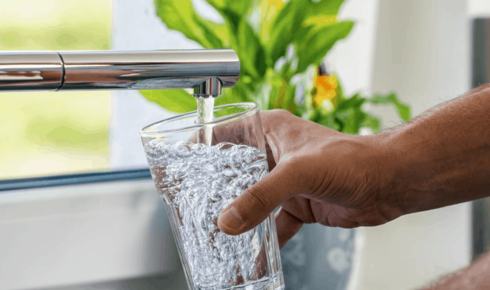
Providing clean great-tasting water can improve the customer experience in a quiet but meaningful way. Coffee tastes smoother. Ice feels fresher. Tea does not carry a strange aftertaste. Even plain drinking water feels more inviting. These details may seem simple, but they shape how people experience a place.
Equipment Works Better with the Right Water
Water does not just affect taste. It also affects the equipment that businesses depend on. Dishwashers, boilers, steamers, ice machines, coffee machines, cooling systems, and production equipment all interact with water constantly. If minerals or sediment build up inside them, performance can drop.
Scale is a common problem. It can reduce efficiency, increase cleaning time, and shorten equipment life. A machine may still run, but it may be working harder than it should. Over months and years, that can mean more repairs, more downtime, and more money spent on preventable issues.
Commercial Treatment Is Not One-Size-Fits-All
A small coffee shop does not need the same setup as a large manufacturing facility. A hotel has different water demands from a laboratory. Even two restaurants in the same city may need different systems depending on their water source, equipment, volume, and goals.
Related reportUnderstanding Common Water Problems Before They Become Bigger Household Issues
That is where commercial water treatment becomes useful. It is not about installing the biggest or most complicated system available. It is about identifying what the business actually needs, then choosing the right combination of filtration, softening, reverse osmosis, carbon treatment, or other solutions.
Testing Comes Before the Solution
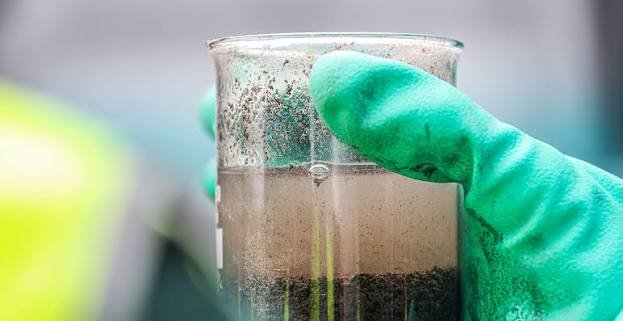
Guessing at water problems can waste time and money. A business may install a filter for taste, only to discover hardness is damaging equipment. Or it may focus on scale while ignoring chlorine that affects beverages. Water testing gives a clearer picture.
A proper analysis can reveal hardness levels, chlorine, sediment, dissolved solids, pH concerns, iron, or other factors. Once the results are known, the recommendation becomes much more practical. Good water treatment starts with facts, not sales pressure.
Better Water Supports Consistency
Consistency is one of the most underrated parts of business quality. Customers expect the same drink, the same clean glassware, the same product result, and the same level of service every time. Water can affect that more than many people realise.
Related reportWhy Professional Water Testing Matters More Than Most Homeowners Realize
Improving water quality can help reduce unwanted variation. It can support better beverage taste, cleaner rinsing, smoother equipment performance, and more predictable daily operations. For some businesses, that consistency is not just nice to have. It is part of maintaining standards.
Maintenance Keeps Everything Running
Installing a system is only the beginning. Filters need changing. Membranes need checking. Softening systems may need salt. Equipment should be inspected on a schedule. Without maintenance, even a good system can slowly lose effectiveness.
The trouble is that decline often happens quietly. Water still flows, machines still run, and staff may not notice the difference right away. Then suddenly, the coffee tastes wrong again, the dishwasher leaves spots, or an appliance needs service. A simple maintenance plan helps avoid that cycle.
The Real Value Is Less Stress
Good water treatment is not always visible to customers. They may never see the equipment or understand the process. But they feel the results. Drinks taste better. Glasses look cleaner. Equipment performs more reliably. Staff deal with fewer small frustrations during busy hours.
Related reportUnderstanding How Water Filtration Can Address Common Contaminants
For business owners, that matters. Running a company already comes with enough unpredictable problems. Water should not be one of them. When it is properly tested, treated, and maintained, it becomes dependable again.
A Smarter Way to Run the Business
Better water is not about making operations fancy. It is about making them work properly. It protects equipment, supports quality, improves customer experience, and reduces unnecessary maintenance headaches.
In the end, water is part of the business whether anyone thinks about it or not. It is in the coffee, the ice, the cleaning, the equipment, the production process, and the customer experience. Treat it well, and it quietly supports everything else. Ignore it, and sooner or later, it finds a way to become a problem.