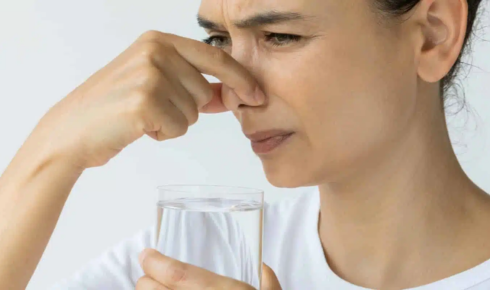
There’s a strange thing that happens with treated water. It can be safe, clear, and still smell like something you don’t really want in your glass. You turn on the kitchen tap, fill a cup, and instead of fresh water, you get that swimming-pool hint. Not strong enough to panic over, maybe, but strong enough to make you pause.
For many homeowners, taste and odor are the first signs that their water could use some attention. It might not leave stains or clog fixtures. It might not look cloudy. But if every sip tastes chemical or every hot shower smells sharp, the problem becomes hard to ignore.
Water should feel clean, not like it came with a reminder of the treatment plant.
Why Treated Water Can Still Taste Off
Municipal water systems use disinfectants to help keep water safe as it travels through pipes and reaches homes. That treatment matters. Nobody is arguing with that. But leftover taste and odor can stick around, especially when water has travelled through older pipes or sat in lines for a while.
Related reportWhy Professional Water Testing Matters More Than Most Homeowners Realize
Some homes notice chlorine/chloramine taste & odor more than others. It may show up in plain drinking water, ice cubes, coffee, tea, or even when brushing teeth. Chloramine, in particular, can be more persistent than chlorine, so a basic filter may not always solve the problem fully.
That is why water quality is not just about meeting safety standards. It is also about how the water feels and tastes in everyday life.
The Kitchen Usually Tells the Truth First
The kitchen is where water taste becomes personal. You use it for coffee, soup, pasta, rice, ice, smoothies, and simple glasses of water. When the water has a strong treated flavor, it can quietly affect everything made with it.
Coffee may taste flat or sharp. Tea can lose its clean finish. Ice can carry an odd smell into drinks. Even rinsed fruit may seem less fresh. These are small things, but they happen every day.
Related reportBetter Water at Home Starts With a System That Actually Fits
Over time, families start working around the water instead of using it freely. They buy bottled water, use pitchers, or avoid the tap completely. That gets old fast.
That Chemical Taste Isn’t Just in Your Head
A chemical aftertaste can make people distrust their water even when it looks perfectly clear. It may be faint, but once you notice it, you keep noticing it. Some people describe it as pool-like. Others say it tastes medicinal, metallic, or just “treated.”
The tricky part is that taste can change from season to season. Water sources may shift. Treatment levels can vary. Plumbing conditions may influence what reaches the faucet. So the water might taste fine one month and unpleasant the next.
A proper water test and system evaluation can help identify whether filtration at the tap or whole-home treatment makes more sense.
Related reportMaking Better Water Part of Everyday Life at Home
Hot Water Can Make Odors More Noticeable
Some homeowners don’t notice much at the kitchen sink but smell something in the bathroom. Hot water can release odors more strongly, which is why the shower smell may be the first thing that bothers the household.
A shower should feel refreshing, not like standing in a heavily treated pool. When warm water brings out chlorine-like odors, the bathroom can feel less clean even after it has been scrubbed. It may also make skin and hair feel less comfortable for some people, especially if hard water is part of the issue too.
That is often when homeowners start looking beyond simple drinking-water filters and consider a broader home water solution.
Whole-Home Filtration May Be the Better Fit
If taste and odor are present at multiple fixtures, whole-home filtration may be worth considering. These systems treat water as it enters the house, before it reaches showers, sinks, laundry, and appliances.
Related reportUnderstanding Water Quality Issues: How Iron and Sediment Affect Your Home
That approach can help improve the overall water experience instead of only fixing one faucet. It may reduce unwanted taste and odor in the kitchen while also making showers and bathroom water feel fresher.
The best system depends on what is actually in the water. Carbon-based filtration is commonly used for taste and odor concerns, but system design matters. Flow rate, media type, tank size, water chemistry, and maintenance all affect performance.
Not Every Filter Handles the Same Problem
This is where the confusion starts. A refrigerator filter might improve taste a little. A pitcher might help for small amounts of drinking water. An under-sink system can provide more consistent filtered water at one faucet. A whole-home system treats water throughout the house.
Related reportClean Water at Home: Understanding the Right Treatment Solutions for Everyday Living
None of these is automatically “best.” The right choice depends on where the problem appears and how the household uses water.
If only drinking water tastes off, an under-sink system may be enough. If showers smell and every faucet has the same treated odor, whole-home filtration may be more practical.
Testing First Prevents Guesswork
It’s tempting to buy the first filter that promises better taste. Sometimes that works. Sometimes it doesn’t. Water problems are easier to solve when they are properly identified first.
Testing can help show chlorine levels, hardness, sediment, pH, total dissolved solids, or other concerns depending on the source and test type. It also helps avoid buying a system that solves the wrong issue.
A homeowner dealing with taste and odor may also have hard water, sediment, or aging plumbing contributing to the problem. Good recommendations come from facts, not guesswork.
Maintenance Keeps Water Fresh
Even the best filtration system needs care. Filters and media do not last forever. When they become exhausted, taste and odor can return. Water flow may change, or the system may stop performing the way it should.
A clear maintenance plan matters. Homeowners should know when filters need replacement, how often service is recommended, and what signs suggest the system needs attention.
Good water treatment should be easy to understand. Not mysterious. Not overly technical. Just clear enough that the system keeps doing its job.
Final Thoughts
Water that smells or tastes overly treated can make daily life less pleasant. It affects coffee, ice, cooking, showers, and the simple confidence of filling a glass from the tap.
The good news is that these issues are often manageable with the right testing and filtration plan. Whether the answer is a drinking-water system, whole-home filtration, or a combination of solutions, the goal is simple: water that feels fresh, tastes better, and works comfortably throughout the home.
Clean water should not smell like chemicals. It should just feel like water.