Water looks simple. Turn on the tap, fill a glass, and there it is. But beneath that clear surface can be a surprisingly complicated mix of minerals, metals, and other substances picked up along the way. Some are naturally present in groundwater, while others can enter through old plumbing, industrial activity, agricultural runoff, or changes in water chemistry.
Understanding what may be in your water isn’t about becoming a chemistry expert. It’s about knowing what affects taste, stains, plumbing, and potentially your household’s water quality. Among the substances worth paying attention to are copper, iron, and phosphates. Each behaves differently, and each can point to a different water-quality concern.
Why Water Chemistry Matters at Home
Water quality isn’t identical everywhere. Two neighboring homes can even experience different issues depending on their plumbing, water source, pipe materials, and treatment systems.
Municipal water generally goes through extensive treatment before reaching homes, but that doesn’t mean its chemistry stays exactly the same on the journey. Groundwater has its own mineral profile, too. As water travels through soil, rock, pipes, and storage systems, it can pick up substances along the way.
Related reportUnderstanding How Water Filtration Can Address Common Contaminants
You may notice clues before you ever receive a test report. A metallic taste, blue-green staining around faucets, orange marks in a toilet bowl, cloudy water, or recurring scale can all suggest that something deserves a closer look.
That’s why testing is usually a better starting point than guessing.
Copper: A Plumbing Issue Worth Watching
Copper has been used in residential plumbing for decades because it’s durable and resistant to many forms of corrosion. In small amounts, copper is also an essential nutrient. The concern comes when copper levels become elevated in drinking water.
One common source is the plumbing itself. Water that sits in copper pipes for several hours can interact with the metal, particularly when the water is acidic or has certain chemical characteristics. Homes with older plumbing may therefore experience higher copper levels under particular conditions.
You might notice a metallic or slightly bitter taste, although copper isn’t always obvious by taste alone. Blue or green staining around sinks and tubs can also be a clue, especially when it appears repeatedly.
Related reportUnderstanding Water Quality Issues: How Iron and Sediment Affect Your Home
Simple habits can sometimes help reduce exposure. If water has been sitting in the pipes overnight, letting the cold tap run briefly before using it for drinking or cooking can help flush standing water. Hot tap water shouldn’t generally be used for drinking or cooking when contamination from plumbing is a concern, because hot water can dissolve some metals more readily.
If you’re seeing persistent staining or unusual taste, however, testing gives you a much clearer picture.
Iron Is More Than an Orange Stain
Few household water problems are as recognizable as iron. That familiar reddish-orange staining in sinks, toilets, bathtubs, and laundry is often associated with iron in the water.
Iron can occur naturally in groundwater, particularly in areas where water moves through iron-bearing rocks and soil. It isn’t usually difficult to notice once concentrations become high enough. Water may have a rusty appearance, metallic taste, or unpleasant odor, especially after sitting in plumbing.
Related reportWater Purification at Home: A Practical Guide to Better Drinking Water Quality
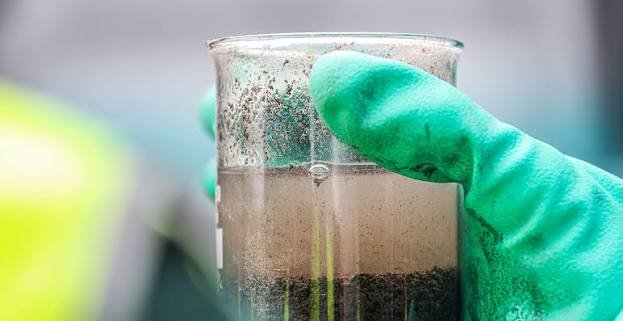
There are different forms of iron, and that matters when choosing treatment. Dissolved iron may initially leave water looking perfectly clear. Once exposed to oxygen, though, it can oxidize and create visible particles or staining. Other forms may already be present as suspended material.
This is one reason a basic sediment filter doesn’t always solve an iron problem. The treatment needs to match the chemistry.
Iron can also create practical headaches. It may stain clothing, discolor fixtures, affect water taste, and contribute to deposits inside plumbing and appliances. A proper water analysis can determine the concentration and help identify whether oxidation, filtration, softening, or another treatment approach makes sense.
Related reportWhy Professional Water Testing Matters More Than Most Homeowners Realize
What Are Phosphates Doing in Water?
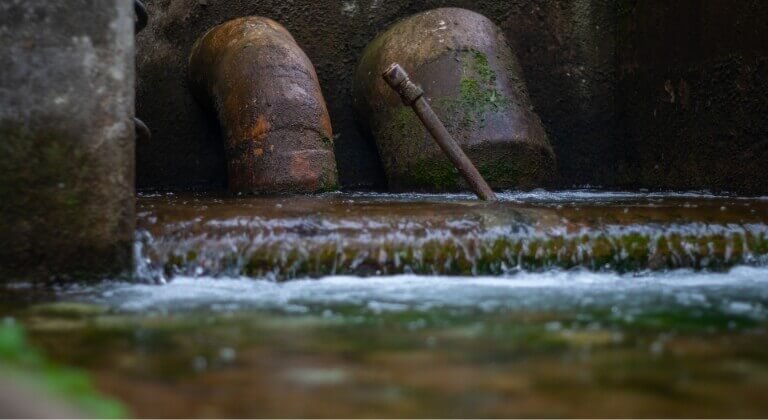
Phosphates are compounds containing phosphorus and oxygen, and they can enter water from several sources. They may be associated with fertilizers, wastewater, detergents, industrial processes, and other environmental pathways.
Unlike iron staining, phosphate-related concerns aren’t necessarily something you can spot by looking at a glass of water. There may be no obvious color, odor, or taste to tell you they’re present.
Phosphates also play an interesting role in water treatment. In some systems, phosphate-based compounds are intentionally used to help control corrosion and reduce the release of metals from plumbing. So their presence isn’t automatically a sign that something has gone wrong.
Related reportMaking Better Water Part of Everyday Life at Home
The bigger question is context. Where did the phosphates come from? At what concentration? What does the rest of the water chemistry look like?
For households using private wells, nearby land use can be especially relevant. Agricultural activity and surface-water contamination can influence nutrient levels. Municipal systems, meanwhile, operate under their own treatment and monitoring requirements.
Again, testing is the sensible way to move beyond assumptions.
Don’t Treat Every Water Problem the Same Way
One of the easiest mistakes homeowners make is buying a treatment system based on a single symptom.
Rust-colored stains don’t necessarily mean you need the same equipment as someone dealing with metallic-tasting water. Likewise, a general-purpose filter may not address every dissolved contaminant.
Water treatment works best when it’s based on actual chemistry.
A useful water test may examine factors such as:
- pH and alkalinity
- Hardness
- Iron and manganese
- Copper and other metals
- Total dissolved solids
- Nitrates and other nutrients
- Chlorine or disinfectant levels
- Microbiological indicators, when appropriate
For private wells, testing should also consider local environmental conditions and the age and construction of the well.
The Role of Plumbing in Water Quality
It’s easy to think of water quality as something determined entirely at the treatment plant or well. In reality, the final stretch matters too.
Water can interact with pipes, fixtures, water heaters, storage tanks, and filtration equipment. A water-quality issue that wasn’t present at the source can sometimes develop or become more noticeable after the water enters the building.
This is especially important in older properties. Corrosion, stagnant water, incompatible materials, and changing water chemistry can all influence what comes out of the tap.
If a water test at the source looks fine but household samples show elevated metals, the plumbing deserves attention. Testing both the incoming water and a representative tap sample can sometimes help identify where the issue begins.
When Should You Test Your Water?
There isn’t one perfect testing schedule for every household. Private well owners generally need more regular attention than people receiving water from a regulated municipal system, but significant changes are a good reason to test regardless of the source.
Consider testing when:
- Your water suddenly changes taste, color, or smell.
- New staining appears on fixtures or laundry.
- You move into an older home.
- Plumbing or a well has recently been repaired.
- You install a new treatment system.
- Nearby land use changes.
- Flooding or another environmental event affects the water source.
Testing becomes even more useful when you keep the results and compare them over time. One report is a snapshot. Several reports can reveal a pattern.
A Better Approach to Cleaner Water
Good water treatment isn’t about installing the biggest system or buying the most expensive filter. It’s about solving the actual problem.
If copper is elevated, the cause may be related to plumbing or water chemistry. If iron is responsible for staining, the right treatment depends on its form and concentration. If phosphates are detected, understanding their source and overall context is more important than reacting to the word itself.
In other words, don’t treat the symptom before you understand the water.
A professional water analysis can take much of the guesswork out of the process. Once you know what’s actually present, you can choose filtration, conditioning, plumbing improvements, or other treatment options with far more confidence.
Water may look ordinary, but its chemistry tells a deeper story. Paying attention to that story can protect your plumbing, improve everyday water quality, and help you make smarter decisions about what your household drinks, cooks with, and uses every day.