You usually don’t notice hard water on day one. It doesn’t arrive with a warning sign or suddenly turn your tap orange. Instead, the clues show up slowly: a cloudy shower door, white marks around the faucet, soap that seems strangely difficult to rinse, or a water heater that doesn’t perform quite like it used to.
Then one day, you’re standing in the bathroom with a bottle of cleaner, scrubbing the same mineral deposits for what feels like the hundredth time, thinking, “There has to be a better way.”
There often is. Understanding hard water and choosing the right treatment can make everyday household maintenance easier, while also helping protect plumbing and water-using appliances.
Related reportMaking Better Water Part of Everyday Life at Home
What Makes Water “Hard”?
Hard water contains elevated amounts of naturally occurring minerals, mainly calcium and magnesium. These minerals enter groundwater as water moves through soil and rock.
The minerals themselves aren’t necessarily something to panic about. The problem is what they can leave behind.
When hard water is heated or evaporates, the minerals can form deposits on surfaces and inside plumbing. That’s where many of the familiar household headaches begin.
Related reportClean Water at Home: Understanding the Right Treatment Solutions for Everyday Living
The severity varies from one home to another. Some households barely notice hardness, while others deal with persistent buildup everywhere water is used.
A simple water test can tell you where your home falls on that spectrum.
Why Scale Build-Up Is Such a Nuisance
One of the most visible effects of hard water is scale build-up.
You might see a chalky layer around faucets, showerheads, kettles, or coffee machines. Inside water heaters, scale can accumulate where it isn’t easy to see.
That hidden buildup is worth paying attention to because heating water can encourage mineral deposits to form. Over time, excessive scale may affect heat transfer and equipment efficiency.
Related reportUnderstanding Water Quality Issues: How Iron and Sediment Affect Your Home
Even small deposits can become annoying. A showerhead with partially blocked openings may produce uneven water flow. A faucet aerator can become clogged. Glass shower doors may require frequent cleaning.
None of these problems sounds dramatic on its own. Add them together over several years, though, and hard water can become a genuine household headache.
How a Water Softener Helps
A traditional water softener works differently from a basic filter. It is designed specifically to reduce calcium and magnesium, the minerals primarily responsible for hardness.
Related reportProtecting Your Home’s Water System for Long-Term Performance
Most conventional systems use an ion-exchange process. As water passes through the softener’s resin, hardness minerals are exchanged for sodium or potassium ions, depending on the system.
The result is water that’s less likely to create scale.
That can mean easier cleaning, less residue on fixtures, and better conditions for water-using appliances. It can also change how soap and detergent behave, which many homeowners notice fairly quickly.
Of course, a softener isn’t a cure-all. It doesn’t remove every contaminant, and it should be selected based on actual water conditions.
Related reportWhy Professional Water Testing Matters More Than Most Homeowners Realize
Choosing the Right Hard Water Treatment
The phrase hard water treatment can refer to several approaches, but not every option is appropriate for every home.
Start with testing. Find out the hardness level and check for other characteristics such as iron, manganese, pH, sediment, or chlorine.
This matters because another water-quality issue may be hiding behind what looks like a simple hardness problem.
Once you know the results, consider the size of your household and how much water you use. A system for a small home shouldn’t necessarily be sized the same way as one for a large family with several bathrooms.
Ask about flow rate, capacity, regeneration cycles, maintenance, and operating costs. These details may sound technical, but they’re important for long-term performance.
What to Look for in a Warranty
A warranty isn’t the most exciting part of shopping for a water treatment system, but it can become very important when something goes wrong.
When a provider mentions a water softener guarantee, don’t just take the headline at face value. Ask what the guarantee actually covers.
Does it include the resin tank? Control valve? Labor? Replacement parts? Is there a time limit? Are there maintenance conditions?
A warranty can be valuable protection, but only if you understand its terms.
It’s also worth asking who handles warranty service. A manufacturer with strong coverage doesn’t help much if getting support is difficult or replacement parts take weeks to arrive.
Don’t Forget About Appliances
Hard water can affect more than faucets and shower doors.
Water heaters, dishwashers, washing machines, coffee makers, and other appliances all interact with your water supply. Mineral deposits can accumulate inside equipment over time.
Reducing hardness can help minimize scale formation, potentially supporting better appliance performance and easier maintenance.
That doesn’t mean a water softener guarantees an appliance will last a certain number of years. Appliance quality, usage, maintenance, water temperature, and many other factors matter.
Still, reducing excessive scale is a sensible preventive measure, particularly when hard water is severe.
Whole-Home Softening vs. Point-of-Use Filtration
Another important question is where treatment should happen.
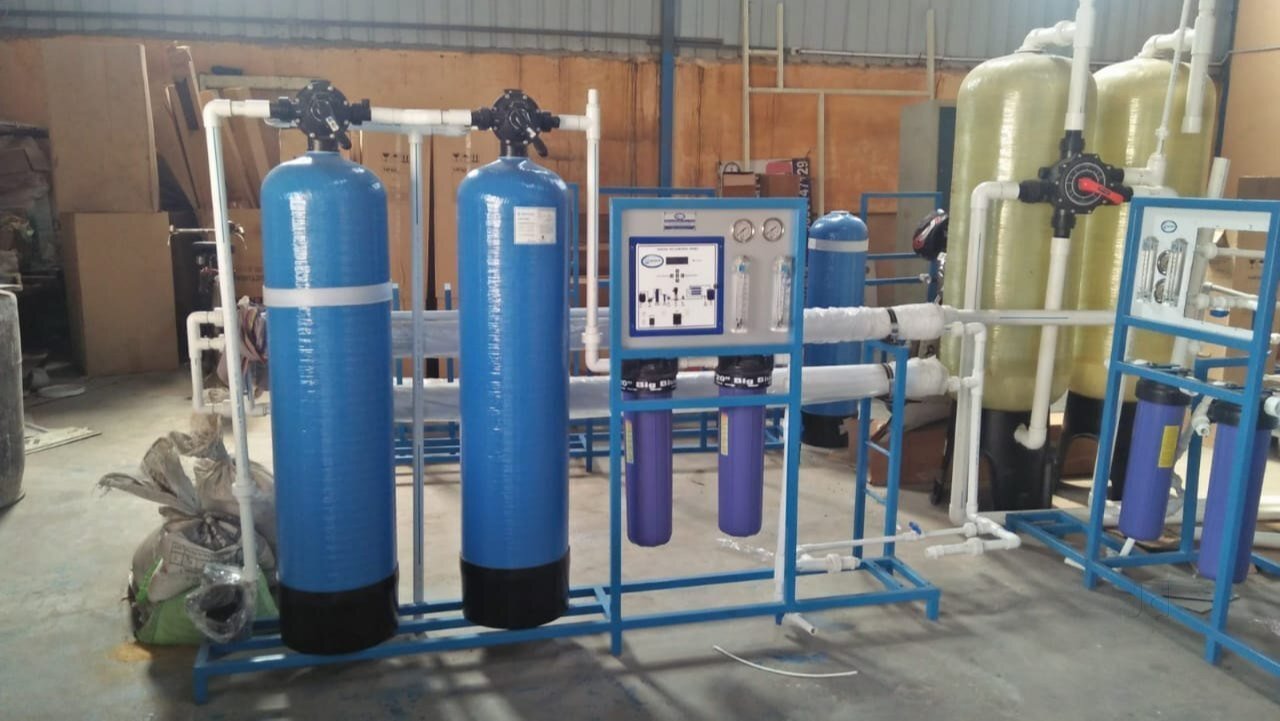
A whole-house softener treats water as it enters the home. This makes sense when hardness affects showers, laundry, bathrooms, appliances, and kitchen water throughout the property.
Point-of-use systems work at a particular faucet or appliance. They’re often used when the homeowner wants additional drinking-water treatment rather than whole-home softening.
The right choice depends on the problem you’re trying to solve.
If your shower, laundry, and water heater are all affected by hard water, treating only the kitchen tap won’t do much. If you only want to improve drinking-water taste, a smaller system could be enough.
Maintenance Is Not Optional
Even a high-quality softener requires routine attention.
Salt-based systems need their salt levels checked and may require periodic servicing. Some systems also need cleaning, resin maintenance, or inspection of the control components.
Keep track of maintenance dates. Don’t wait until the water starts behaving differently.
If you notice scale returning quickly, water pressure changing, or the system using more salt than usual, have it checked. A small issue is usually easier—and cheaper—to deal with than a neglected system that has stopped working properly.
Don’t Choose a System Based Only on Price
Price matters, but it shouldn’t be the only deciding factor.
Look at the full cost of ownership, including installation, salt or consumables, electricity, replacement parts, maintenance, and warranty coverage.
A low-cost system may be attractive initially, but if it requires frequent repairs or expensive replacement components, the savings can disappear.
On the other hand, the most expensive system isn’t automatically the best. You don’t need a machine packed with features your household will never use.
The sweet spot is a properly sized system that solves your water problem and remains practical to maintain.
Better Water Starts With Knowing What You Have
Hard water is common, manageable, and usually more of a long-term household nuisance than an immediate crisis. But ignoring it completely can mean spending more time cleaning, maintaining appliances, and dealing with mineral deposits.
Test your water first. Understand the hardness level. Look for other water-quality concerns. Then compare treatment options based on capacity, maintenance, warranty protection, and long-term cost.
The goal isn’t to create perfectly mineral-free water. It’s to reduce the problems that matter in your home.
Once the right system is installed and maintained, the difference can be pleasantly uneventful. Fewer spots on the faucet. Less scrubbing. Better-performing equipment. A showerhead that doesn’t slowly clog.
Sometimes, that’s what a good home improvement should feel like—less drama, less hassle, and a little more time for the things you actually want to do.