Good water is one of those things most people don’t think much about until something seems off. Maybe the water suddenly looks cloudy. There’s a strange metallic taste in your morning coffee, or you notice orange stains around the sink. Sometimes the signs are subtle; other times, they’re impossible to ignore.
These everyday changes can point to water quality issues that deserve a closer look. Water problems aren’t always caused by a single contaminant, either. Depending on where your water comes from, minerals, particles, bacteria, and naturally occurring substances can all influence its appearance, taste, smell, and overall usability.
Understanding what’s happening is the first step. Once you know what’s affecting your water, choosing the right treatment becomes much easier.
Why Water Quality Can Change
Water travels a surprisingly long journey before it reaches your tap. Municipal supplies move through treatment plants and distribution networks, while private wells draw water from underground sources. Along the way, water can pick up minerals and other substances from soil, rock, pipes, and surrounding environments.
Related reportWhy Professional Water Testing Matters More Than Most Homeowners Realize
Local geology plays a big role, especially for well owners. Groundwater can naturally contain elevated levels of minerals such as calcium, magnesium, and iron. Older plumbing systems may introduce additional particles or cause changes in taste and appearance.
Even water that looks perfectly clear isn’t necessarily free from unwanted substances. Some contaminants can’t be seen, smelled, or tasted. That’s why water testing is more reliable than simply judging water by its appearance.
The Trouble With Iron in Household Water
Iron is naturally present in many groundwater sources. In small amounts, it may not seem like a major concern, but higher concentrations can create a collection of frustrating household problems.
One of the most recognizable signs is reddish or orange staining. You might find it around toilets, sinks, bathtubs, or inside appliances. Iron can also give water a metallic taste and may leave laundry looking dingy after repeated washing.
Related reportUnderstanding How Water Filtration Can Address Common Contaminants
There are different forms of iron in water, and they don’t all respond to the same treatment. Dissolved iron, for example, can pass through a basic sediment filter because the particles are too small or aren’t actually suspended in the water. When exposed to air, however, dissolved iron can oxidize and form visible particles.
This is one reason guessing at a treatment system can be frustrating. A filter that works beautifully for one home may do very little for another.
Sediment: A Small Problem That Can Become a Big One
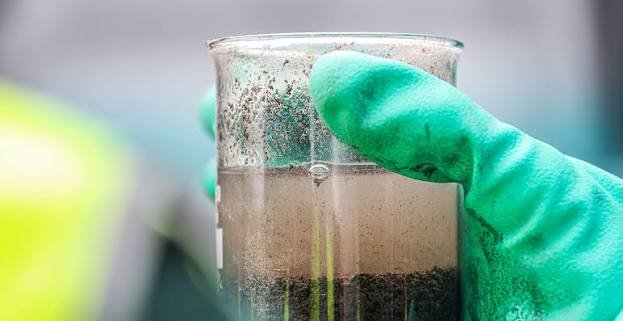
Another common concern is sediment, which refers to tiny particles suspended in water. These particles can include sand, silt, rust, dirt, or other material picked up as water moves through a well or plumbing system.
Sediment isn’t always dramatic. Sometimes it simply makes water look slightly cloudy. In other cases, you may notice grit collecting at the bottom of a glass or deposits appearing around faucets.
Related reportClean Water at Home: Understanding the Right Treatment Solutions for Everyday Living
The bigger issue is what those particles can do to plumbing equipment. Sediment can clog faucet aerators, reduce filter performance, and contribute to wear in appliances. Over time, it can also create unnecessary stress for pumps and other water treatment components.
A properly selected sediment filter can capture these particles before they travel throughout the house. The key word is “properly selected.” Filter size, micron rating, flow rate, and the amount of sediment present all matter.
How Water Testing Helps
If you’re dealing with unusual water, testing should usually come before buying equipment. It’s tempting to grab a filter after seeing a few stains, but that can lead to spending money on a solution that doesn’t address the actual problem.
Related reportProtecting Your Home’s Water System for Long-Term Performance
A quality water analysis can examine characteristics such as pH, hardness, iron, manganese, chlorine, total dissolved solids, and other potential contaminants. For private wells, testing may also be appropriate for bacteria and other substances depending on local conditions.
The results give you a clearer picture of what’s actually happening. Instead of treating water based on assumptions, you can select technology designed around the specific problem.
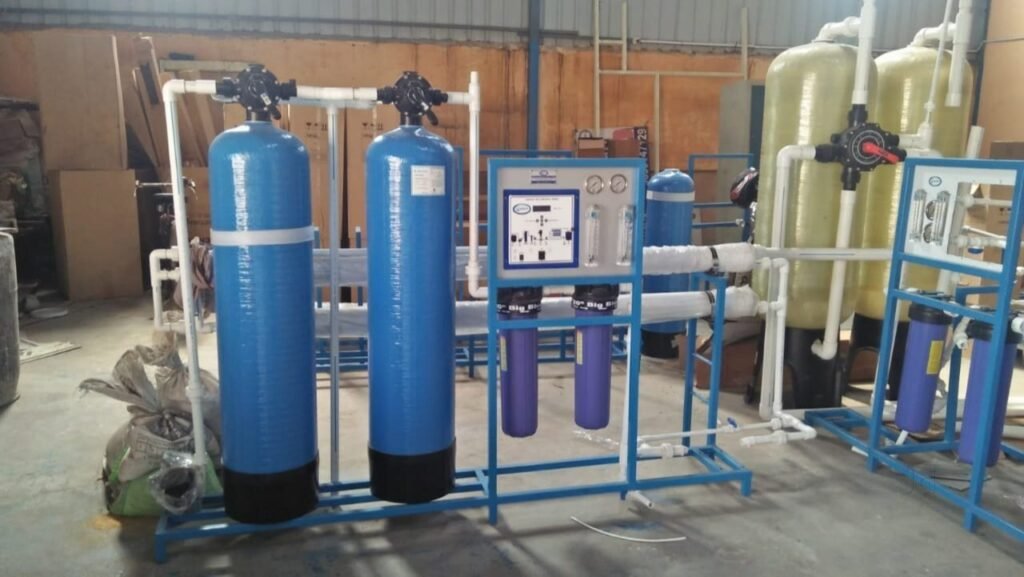
That might mean a sediment filter, iron treatment system, water softener, activated carbon filter, reverse osmosis system, or a combination of technologies.
Related reportMaking Better Water Part of Everyday Life at Home
Choosing the Right Treatment Approach
There’s no universal “best” water filter. Water treatment is a little like choosing glasses—you need the right prescription rather than the fanciest frame.
For suspended particles, sediment filtration is often an important first stage. Iron problems may require oxidation, specialized filtration media, or another iron-removal method depending on the concentration and chemical form.
If hardness is also present, a water softener may help reduce calcium and magnesium that cause scale buildup. For drinking water concerns, point-of-use filtration or reverse osmosis may provide an additional layer of treatment.
Whole-home systems are useful when the goal is to improve water throughout the property rather than treating only one faucet. However, they need to be sized correctly. A system that’s too small can struggle with household demand, while an oversized or unnecessarily complicated setup can cost more than needed.
Don’t Ignore Changes in Your Water
Water that suddenly changes color, smell, taste, or clarity shouldn’t simply be brushed aside. It doesn’t automatically mean something dangerous is present, but it does mean the situation deserves attention.
Keep an eye out for recurring signs such as:
- Orange, brown, or reddish stains
- Cloudy or gritty water
- Metallic taste
- Unusual odors
- Reduced water pressure caused by clogged components
- Frequent filter clogging
- Scale or deposits around fixtures
- Changes that appear after plumbing or well work
For homeowners using private wells, periodic testing is especially useful because groundwater conditions can change over time.
A Cleaner Approach Starts With Knowing the Cause
The good news is that many common household water problems can be managed effectively once the cause is understood. The trick is not to treat every problem as though it were the same.
If iron is staining your fixtures, the answer may be very different from what you’d use for sediment. If chlorine is affecting taste, a carbon filter may make more sense than an iron-treatment system. And if several issues are present at once, a combination of treatment methods could be the most practical option.
Good water treatment isn’t really about buying the biggest system or installing the most advanced equipment. It’s about matching the treatment to the water.
That starts with testing, continues with the right equipment, and ends with regular maintenance. A little attention now can prevent clogged fixtures, stained surfaces, unhappy appliances, and plenty of unnecessary frustration later.
After all, clean water should feel ordinary. When it doesn’t, it’s worth finding out why.