Water is easy to take for granted when everything works as it should. In a busy restaurant, it flows through dishwashers, coffee machines, and kitchen taps. In a hotel, it supports guest comfort, laundry, and cleaning. In manufacturing facilities, water may be part of the production process itself. When its quality changes or treatment equipment stops working properly, the consequences can spread quickly across the business.
That is why commercial water treatment deserves attention long after the initial installation. Choosing appropriate equipment is important, of course, but so is keeping it in good condition and knowing when something needs attention. A dependable system can help businesses maintain consistent water quality, protect certain types of equipment, and avoid disruptions that interfere with everyday operations.
Why Water Quality Matters in Business Operations
Different industries have different expectations for water. A café may be concerned about taste and mineral deposits in espresso machines, while a food production facility may need water that meets specific process and hygiene requirements. An office building might focus on drinking water quality, plumbing reliability, and employee comfort.
Even when water comes from a regulated municipal supply, its characteristics can affect equipment and operations. Hardness minerals may contribute to scale in pipes and heating elements. Sediment can interfere with valves and filters, while chlorine may affect taste or influence certain processes. The significance of each issue depends on the water source, the equipment involved, and the intended use.
Businesses should avoid assuming that one filtration method will solve every concern. The sensible starting point is to identify the water quality issues that matter, understand the facility’s consumption patterns, and select treatment technology accordingly.
For some facilities, a relatively simple filter may be enough. Others may need several treatment stages working together. The right choice comes from understanding the problem rather than purchasing the most complicated system available.
Building a Treatment System Around Business Needs
A well-planned commercial water purification setup should reflect how a facility actually uses water. Daily consumption, peak demand, incoming pressure, available floor space, and the required water quality all influence equipment selection.
For instance, a small restaurant with moderate water consumption may need a different setup from a hotel serving hundreds of guests. A manufacturing facility with strict process requirements may need additional pretreatment, monitoring instruments, or specialized purification equipment.
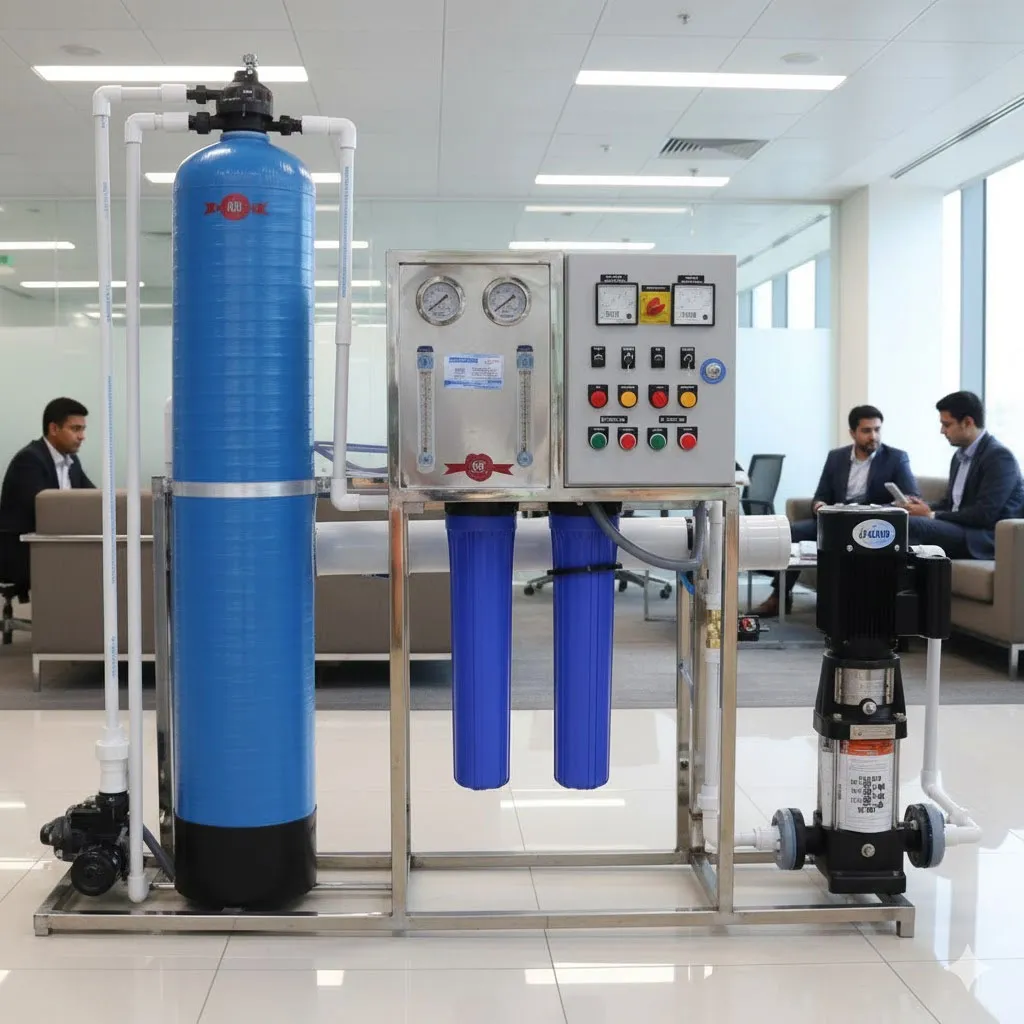
Reverse osmosis is one option for reducing many dissolved substances from water. Activated carbon can help reduce chlorine and certain organic compounds when the filter is designed for that purpose. Sediment filtration removes suspended particles, while water softeners address hardness minerals. These technologies serve different purposes, and they shouldn’t be treated as interchangeable.
Some businesses may benefit from a combination of technologies. Pretreatment can protect downstream equipment, while additional purification stages can help achieve the required water quality. However, every added component brings its own maintenance requirements and operating costs.
Before committing to a system, businesses should arrange suitable water testing and review the results with a qualified treatment provider. This helps ensure that the selected equipment addresses actual conditions instead of relying on assumptions.
The Value of Whole-Business Water Purification
Treating water at a single tap may be sufficient for some applications, but facilities with several water-dependent operations may need a broader approach. Whole-business water purification systems are designed around the needs of an entire commercial facility or multiple points of use, depending on the system’s configuration.
A broader treatment arrangement can help businesses manage water quality more consistently across designated applications. For example, a hospitality business might need treated water for beverage preparation, food service, and selected equipment. A production facility may need a central treatment unit supplying several process lines.
That doesn’t necessarily mean every outlet should receive identical treatment. Drinking water, cleaning water, boiler feedwater, and specialized process water can have different requirements. A well-designed installation may therefore include central treatment alongside additional equipment at specific points of use.
Capacity is particularly important. A system that performs well during quiet periods may struggle when several machines operate simultaneously. Undersized equipment can lead to pressure problems, insufficient output, or interruptions during peak demand.
Businesses should also consider redundancy where a loss of treated water would cause significant disruption. Depending on the operation, this might involve backup capacity, storage, or a planned response for equipment downtime.
The goal is not simply to purify as much water as possible. It is to deliver the appropriate water quality, at the required volume, where and when the business needs it.
Maintenance and Repair: Protecting Long-Term Performance
Even a properly selected treatment system will eventually need servicing. Filters become loaded with particles, membranes can accumulate deposits, pumps experience wear, and sensors may require calibration. These are normal parts of operating water treatment equipment, not necessarily signs that the system was poorly designed.
A planned approach to maintenance and repair helps businesses deal with these needs before they become expensive surprises. Routine servicing may include replacing filter cartridges, inspecting connections, checking pressure readings, cleaning components according to manufacturer instructions, and verifying treated water quality.
Maintenance schedules should reflect actual operating conditions. A facility processing large volumes of water may need more frequent servicing than a small office. Water with high sediment levels or substantial mineral content may also place additional demands on treatment equipment.
Keeping service records makes a real difference. Note when filters are replaced, record unusual pressure changes, and document water quality test results. Over time, these records can help identify recurring problems and show whether equipment is operating as expected.
It’s equally important to recognize warning signs. A sudden reduction in water flow, unusual noises, visible leaks, unexpected changes in taste, or a decline in treatment performance deserves investigation. Staff should know whom to contact and what steps to take if the system needs to be taken out of service.
Not every problem requires a complete shutdown, but continuing to operate equipment without understanding a significant fault can make matters worse. Follow the manufacturer’s instructions and seek qualified assistance when necessary.
Understanding the Real Cost of Water Treatment
Initial purchase price is only one part of the financial picture. Commercial operators should also consider electricity consumption, replacement filters, membrane servicing, water waste, labor, testing, and potential downtime.
A cheaper system may look attractive at first, but recurring expenses can add up if components require frequent replacement or technical support is difficult to obtain. On the other hand, buying an oversized system can mean paying for capacity the business rarely uses.
The most useful comparison is based on the system’s expected performance over its working life. Ask suppliers about consumable costs, service intervals, expected water recovery, warranty coverage, and the availability of replacement parts.
Water efficiency deserves attention, too. Reverse osmosis systems produce a reject stream, and recovery rates vary according to design and operating conditions. Businesses should understand how much feedwater is required to produce the volume of treated water they need. Where appropriate and permitted, they can also investigate whether reject water has a suitable non-potable reuse application.
These details help decision-makers balance water quality, operating expenses, and environmental considerations.
Choosing a Reliable Service Partner
The company supplying or servicing a commercial treatment system can influence its long-term reliability. A good provider should ask about the business’s water source, intended uses, daily demand, and quality requirements before recommending equipment.
Look for clear explanations rather than vague promises. Ask how the system’s performance will be checked, what maintenance is required, and how quickly support is available when a problem occurs. Businesses with regulatory or process-specific obligations should also confirm that the proposed treatment and monitoring arrangements meet the relevant requirements.
Training matters as well. Employees who understand basic operating indicators can recognize potential problems earlier and avoid overlooking routine maintenance.
Making Water Treatment Part of Everyday Planning
Reliable water quality rarely happens by accident. It comes from choosing suitable equipment, understanding the incoming water, monitoring performance, and keeping maintenance on schedule.
For commercial businesses, these habits can reduce avoidable disruption and make water-dependent operations more predictable. They also help organizations spend money where it matters most, rather than reacting repeatedly to problems that could have been identified earlier.
A good treatment system should fit the business, not complicate it. With realistic planning, dependable service, and a clear maintenance routine, water purification can become a quiet but valuable part of keeping the entire operation running smoothly.