Water has a funny way of becoming invisible in our daily lives. We turn on the tap, fill the kettle, wash the dishes, and carry on. It isn’t until the water tastes strange, leaves marks on a sink, or starts affecting plumbing that we stop and wonder what might actually be in it.
The truth is, water quality is influenced by its source, the minerals it picks up underground, the treatment it receives, and even the pipes it travels through. Some characteristics are perfectly normal, while others may deserve attention. The trick is knowing the difference without turning every household water problem into a major project.
Start With the Water You Actually Have
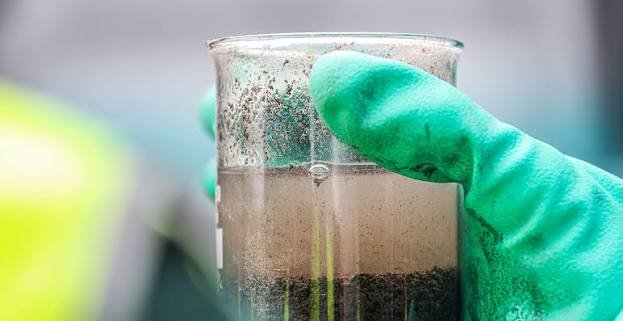
Before choosing a treatment system, it’s worth finding out what’s going on with the water itself. Clear water isn’t necessarily problem-free water, because many dissolved substances are invisible.
A water analysis may look at characteristics such as hardness, pH, iron, copper, chlorine, total dissolved solids, and other relevant factors. The exact testing depends on the water source and the concerns you’re trying to investigate.
For example, a homeowner with white mineral spots may have a hardness issue, while someone dealing with blue-green staining could have a different water chemistry problem. Guessing can lead to buying equipment that doesn’t address the real cause.
Testing first is usually the more sensible route.
Understanding the Role of Water pH
pH is one of the basic measurements used to describe water chemistry. It indicates whether water is acidic, neutral, or alkaline.
Water with a lower pH can sometimes interact more aggressively with metal plumbing, while higher-pH water may contribute to scaling under certain conditions. Neither situation should be judged by pH alone, though. Alkalinity, hardness, dissolved gases, and other factors can influence how water behaves.
This is where water treatment becomes less about buying a product and more about understanding chemistry.
If testing shows that pH is contributing to plumbing concerns, the appropriate treatment should be selected according to the actual water conditions rather than a generic recommendation.
What Are Neutralizers?
In some water treatment applications, neutralizers are used to help correct acidic water. A common approach involves passing water through a neutralizing medium that can raise its pH toward a more balanced range.
The choice of media and system depends on the water chemistry. Some situations may call for calcite-based media, while others may require a different approach.
A neutralizer isn’t designed to solve every water-quality issue. It won’t automatically remove hardness, sediment, or every contaminant. That’s why testing remains important.
Think of it like repairing a car. You wouldn’t replace the tires because the engine was making a strange noise. First, you figure out what the actual problem is.
Why One Treatment System Isn’t Always Enough
Water can have several characteristics that need attention at the same time. A property might have acidic water, high hardness, sediment, and an unpleasant taste.
Trying to force one piece of equipment to handle everything isn’t always effective.
Depending on the situation, treatment might involve filtration, softening, pH adjustment, sediment removal, or point-of-use purification. The components need to work together rather than simply being added one after another.
This is where comprehensive treatment plans can be useful. A well-planned approach considers the water source, test results, household usage, plumbing layout, and the specific problems the property is experiencing.
The goal isn’t to install the largest system available. It’s to create a system that does the necessary work without unnecessary complexity.
Protecting Your Plumbing From Aggressive Water
Water chemistry can affect plumbing over time. Acidic conditions may contribute to corrosion in certain metal systems, potentially leading to staining, pinhole leaks, or premature deterioration.
If you notice recurring blue-green deposits around copper fittings, unexplained leaks, or metallic-tasting water, it may be worth investigating the water chemistry.
Again, these signs don’t automatically prove a serious problem. But they are clues.
Addressing an aggressive water condition early can be much easier than replacing damaged plumbing later. A professional assessment can help determine whether water treatment, plumbing repairs, or both are appropriate.
Don’t Forget About Hard Water
Hard water is another common household concern. It contains elevated amounts of calcium and magnesium, which can leave mineral deposits on faucets, shower doors, dishes, and appliances.
A water softener is generally designed to reduce these hardness minerals. However, softening doesn’t address every possible water-quality issue.
That’s an important distinction. If someone recommends a softener for a problem that has nothing to do with hardness, ask why. A good water treatment professional should be able to connect the recommendation to the test results.
Natural Water Isn’t Automatically Better or Worse
There’s often a romantic idea that water straight from nature must be healthier because it’s “natural.” In reality, natural water can contain minerals, sediment, microorganisms, and other substances picked up from the environment.
At the same time, not everything natural needs to be removed. Some minerals are a normal part of drinking water, and treatment should be purposeful rather than excessive.
The phrase natural quality is therefore better understood as a description of the water’s original characteristics, not a guarantee of safety or superiority.
The right question isn’t whether water is natural. It’s whether it is appropriate for its intended use and meets relevant quality standards.
Maintenance Keeps Treatment Working
Even a well-designed treatment system needs attention. Filters eventually become saturated, neutralizing media may need replenishment, and softeners require routine maintenance.
Homeowners should understand the maintenance schedule before buying equipment. Ask about replacement parts, consumables, servicing, regeneration requirements, and expected operating costs.
A system that’s ignored can gradually lose effectiveness. And that’s frustrating, especially after investing money in it.
Simple maintenance records can help. Keep track of filter changes and service visits, and pay attention if the water starts behaving differently again.
Better Water Starts With Better Decisions
Water treatment doesn’t have to be mysterious. It starts with understanding what is actually in your water and why a particular characteristic matters.
Test the water. Identify the problem. Choose treatment based on evidence. Then maintain the equipment properly.
That’s a much better strategy than collecting filters and hoping one of them fixes everything.
In the end, good water management isn’t about stripping water of every mineral or chasing the newest technology. It’s about balance. Protect the plumbing, improve water where necessary, and preserve the qualities that don’t need changing.
A thoughtful approach usually leads to simpler systems, fewer surprises, and water that works better for everyday life.