Most people don’t think about their air conditioner until something feels wrong. The room takes too long to cool, the electricity bill looks a bit heavier than usual, or there’s that strange humming sound that wasn’t there last summer. It’s easy to ignore these little signs, especially when the unit is still working. But an AC that is only “kind of working” can quietly cost more money, comfort, and even indoor health than many homeowners realise.
Air conditioning has become part of everyday life now. In homes, offices, shops, and even small workspaces, people depend on it not just for comfort but for better focus and easier living. That’s why regular AC care and timely repair matter more than they might seem at first glance.
Small AC Problems Usually Don’t Stay Small
A weak airflow, uneven cooling, or a noisy unit may look like minor trouble. Maybe the filter is clogged. Maybe the coils are dirty. Or maybe a part inside is slowly wearing out. The problem is, air conditioners are connected systems. When one part struggles, the rest of the unit has to work harder.
Related reportBreathing Better at Home Starts with the Air You Live In Every Day
For example, if the air filter is blocked with dust, the AC has to push harder to circulate air. If refrigerant levels are low, the unit may run longer without properly cooling the room. Over time, this extra strain can damage parts that were otherwise working fine. What could have been a simple service visit may turn into a costly repair.
This is why early attention is so useful. It keeps the issue manageable and gives the technician a better chance to fix the problem before it spreads.
Comfort Should Feel Easy, Not Forced
A good air conditioner should cool the space smoothly. You shouldn’t have to lower the thermostat again and again just to feel comfortable. When an AC starts losing performance, people often adjust the temperature instead of checking the unit. That can work for a while, but it doesn’t solve the real problem.
Related reportBetter Water at Home Starts With a System That Actually Fits
Sometimes the issue is poor airflow. Sometimes it is a dirty outdoor unit, leaking ducts, or an aging component. In bigger homes or commercial spaces, the cooling load may also be uneven because of layout, insulation, or usage patterns.
Keeping the HVAC system properly inspected helps maintain steady comfort across the space. It also reduces the chance of sudden breakdowns during the hottest days, when the system is already under pressure.
Better Performance Can Lower Monthly Costs
Nobody enjoys opening a high power bill. And while energy prices are one part of the story, AC condition plays a big role too. A poorly maintained unit often uses more electricity because it runs longer than necessary. It may switch on and off too frequently, or it may stay on for hours without reaching the desired temperature.
Routine maintenance supports better energy efficiency by helping the unit do its job with less effort. Clean filters, proper refrigerant levels, clear coils, and well-functioning parts all contribute to smoother operation. The result is not always dramatic overnight, but over a season, the savings can be noticeable.
More importantly, an efficient AC usually lasts longer. Less strain means fewer breakdowns, fewer emergency calls, and better value from the equipment you already own.
Related reportWhy Professional Water Testing Matters More Than Most Homeowners Realize
Indoor Air Quality Matters More Than People Think
An air conditioner does more than cool air. It also moves air throughout the room, and that means dust, pollen, pet dander, and other particles can circulate if the system is dirty. For families with children, elderly people, or anyone with allergies, this can make a real difference.
A neglected AC may collect dust inside filters, vents, coils, and drain areas. Moisture buildup can also create unpleasant smells or encourage microbial growth in some cases. That stale, slightly musty smell when the AC starts? It’s often a sign the system needs attention.
Regular servicing helps support cleaner indoor air by keeping the parts that handle airflow clean and clear. It won’t replace good ventilation or proper cleaning, but it definitely helps create a fresher, healthier indoor environment.
Repairs Are Also About Safety
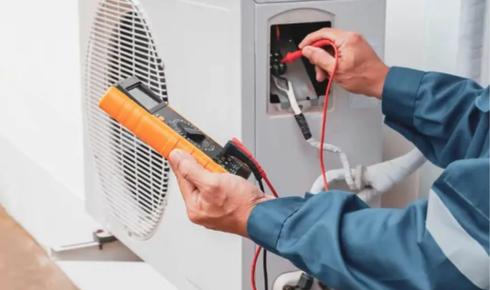
People often think AC repair is only about comfort, but safety should not be ignored. Electrical issues, overheating components, blocked drain lines, and refrigerant leaks can all create problems if left unchecked. A trained technician can spot warning signs that most homeowners would miss.
Related reportUnderstanding Water Quality Issues: How Iron and Sediment Affect Your Home
This is especially important for older units. As systems age, wires, motors, capacitors, and other parts may weaken. Regular inspection gives you a clearer idea of whether the unit is still safe, repairable, or slowly reaching the end of its useful life.
And honestly, knowing where things stand gives peace of mind. Nobody wants to guess whether the AC will survive another summer.
When Should You Call a Technician?
Some signs are easy to notice. Warm air coming from the vents, unusual noises, water leakage, bad smells, weak airflow, or a sudden jump in electricity bills should not be ignored. Frequent cycling, where the AC turns on and off too often, is another common warning sign.
Related reportThe Best Time to Service Your Water System Is Before Problems Begin
Even if the unit is still cooling, these symptoms suggest something is not right. Calling early is usually better than waiting until the system stops completely.
A professional can inspect the unit, clean important components, test performance, and recommend the right fix. Good service is not about replacing parts blindly. It’s about understanding the actual cause and solving it properly.
A Little Care Goes a Long Way
An air conditioner is one of those appliances people quietly rely on every day. When it works well, nobody notices it. When it fails, suddenly the whole home or workplace feels uncomfortable. That’s why regular maintenance and timely repair are worth taking seriously.
A well-maintained AC cools better, runs more efficiently, improves indoor comfort, and helps avoid expensive surprises. It also gives you confidence that your space will stay comfortable when the weather gets harsh.
In the end, AC care isn’t just about machines. It’s about the feeling of walking into a room that’s cool, fresh, and easy to relax in. And really, that small comfort matters more than we usually admit.