A lot of people don’t think about water filtration until the tap starts bothering them. Maybe the coffee tastes a little flat. Maybe the water has a faint chlorine smell. Maybe there are tiny particles in the glass when the sunlight hits it just right. Or maybe the family has slipped into buying bottled water without anyone really deciding to do it.
It happens slowly. One case of bottled water becomes two. A filter pitcher sits in the fridge, half-used and rarely changed. Someone complains about the taste, someone else shrugs, and life goes on.
But drinking water is too much a part of daily life to ignore. It goes into tea, soup, baby bottles, ice trays, pet bowls, lunch flasks, and the glass on your nightstand. If it tastes strange or feels unreliable, it affects more than people realise.
Related reportUnderstanding How Water Filtration Can Address Common Contaminants
Why Kitchen Water Deserves Special Attention
Not every water problem needs a whole-home solution. Sometimes the main concern is the water used for drinking and cooking. In that case, focusing treatment at the kitchen tap can be a sensible, cost-effective choice.
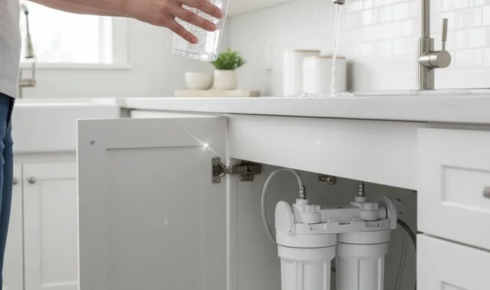
Many homeowners choose under sink systems because they fit neatly out of sight and deliver filtered water right where it is used most. Instead of keeping a bulky pitcher in the fridge or relying on plastic bottles, the system works quietly beneath the counter.
That convenience matters. Good water becomes easy to use, so people actually use it. You fill a glass, make coffee, rinse vegetables, cook rice, and refill a bottle without thinking twice.
The Problem With Guessing at Water Issues
Water can taste off for several reasons. Chlorine can create a sharp or chemical flavour. Minerals can make water taste heavy. Sediment may affect clarity. Old pipes can add metallic notes. Well water may carry earthier tastes or particles depending on the local source.
Related reportWater Purification at Home: A Practical Guide to Better Drinking Water Quality
This is why testing is always a smart first step. A basic filter may improve taste, but it may not solve every issue. If the water has sediment, dissolved solids, iron, or other concerns, the solution needs to match the actual problem.
Guessing often leads to disappointment. The filter gets installed, the water still tastes odd, and the household goes back to bottled water. Testing helps avoid that loop.
How Carbon Helps With Taste and Odour
For many homes on municipal water, chlorine taste and smell are among the biggest complaints. Chlorine plays an important role in public water treatment, but once water reaches your kitchen, you may not want that sharp taste in your tea or coffee.
Related reportBetter Water at Home Starts With a System That Actually Fits
That is where carbon filtration often helps. Carbon filters are commonly used to reduce chlorine taste, odours, and certain organic compounds that can make water less pleasant. The difference can be surprisingly noticeable, especially in drinks where water is the main ingredient.
Coffee tastes smoother. Ice does not carry that odd aftertaste. A plain glass of water feels fresher. It is a simple improvement, but it touches daily routines again and again.
When Particles Are the Problem
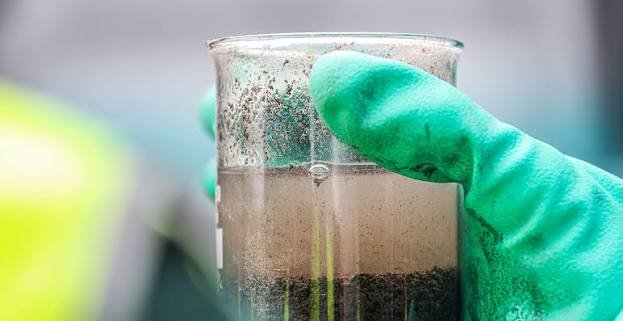
Sometimes water concerns are less about taste and more about what you can see. Tiny bits of sand, rust, silt, or other particles can appear in the water, especially in older plumbing systems or homes using well water. Even when the particles are not dangerous, nobody wants to see them floating in a glass.
Good sediment removal can help protect drinking water systems, improve clarity, and reduce clogging in filters or fixtures. Sediment filters are often used as a first stage, catching larger particles before water moves through more refined filtration.
This can also help extend the life of other filters. When sediment is removed early, the rest of the system does not have to work as hard.
Related reportUnderstanding Water Quality Issues: How Iron and Sediment Affect Your Home
Different Filters Do Different Jobs
One of the most common misunderstandings about water filtration is thinking every filter does the same thing. They don’t. Some are designed mainly for taste and odour. Some reduce particles. Some target dissolved substances. Some systems combine multiple stages to handle several concerns at once.
A simple carbon filter may be enough for a household dealing with chlorine taste. A multi-stage under-sink unit may be better when water has both taste and clarity issues. Reverse osmosis may be worth considering when dissolved solids or deeper drinking water concerns are present.
The point is not to buy the most complicated system. The point is to choose the right one for your water.
Related reportWhy Professional Water Testing Matters More Than Most Homeowners Realize
Why Convenience Changes Habits
People are more likely to drink water when it tastes good and is easy to access. That sounds obvious, but it is often overlooked. If the filter pitcher is empty, if bottled water is stored in the garage, or if the tap tastes unpleasant, people reach for soda, juice, or packaged drinks.
A kitchen filtration system removes that friction. Fresh water is already there. No lifting cases, no waiting for a pitcher to refill, no fridge space wasted on bottles. For families, that can quietly change daily habits.
Children may refill their bottles more often. Adults may drink more water during work. Cooking may feel cleaner. Even pets get better-tasting water without extra effort.
Maintenance Still Matters
A filtration system is not something to install and forget forever. Filters have a working life. Cartridges need replacing. Flow rate can drop if maintenance is ignored. Taste can slowly change when filters are past their best.
A good system should come with clear maintenance guidance. Homeowners should know when filters need changing and what signs to watch for. Regular care keeps the water fresh and protects the system from unnecessary strain.
Skipping maintenance is usually where problems begin. The system may still look fine under the sink, but inside, the filter may no longer be doing its job properly.
A Small Upgrade With a Big Daily Impact
Better kitchen water does not need to feel complicated. Start by testing the water, understand the main concern, and choose a filtration setup that fits your home. For some, that means a simple carbon filter. For others, it may mean sediment protection, multi-stage filtration, or a more advanced drinking water system.
The real reward is simple: water you actually want to drink. Coffee tastes better. Ice is cleaner. Cooking feels fresher. Bottled water becomes less necessary. And the kitchen tap becomes something the whole family can trust.
It may be a quiet upgrade, hidden beneath the sink, but you notice it every time you fill a glass.