Most homeowners notice the big things first. A leaking tap. A cracked window. A door that suddenly refuses to close properly. But the outside edges of a house, especially around the roofline, often get ignored until something goes noticeably wrong. And by then, the damage may have been building for months.
The fascia, soffits, gutters, trims, and timber edges all work together more than people realise. They help move water away, protect the structure, and keep the home looking tidy. When one part weakens, the rest can start struggling too.
Why Exterior Timber Needs Regular Attention
Timber around the outside of a home has a tough job. It deals with rain, heat, wind, frost, insects, and constant changes in moisture. Even treated wood can eventually show signs of wear if it’s exposed long enough.
Related reportThe Best Time to Service Your Water System Is Before Problems Begin
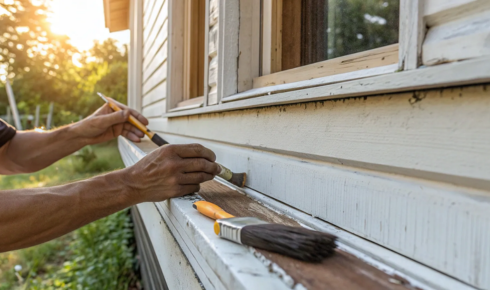
Small cracks in paint may not look serious, but they can let water soak into the wood beneath. Once moisture gets trapped, the timber may soften, swell, or start breaking down. That’s when wood rot repair becomes more than just a cosmetic fix. It helps stop decay from spreading into nearby boards or deeper parts of the structure.
The Early Signs People Often Miss
Rot rarely appears overnight. It usually starts quietly. You might notice peeling paint, a spongy section of timber, dark stains, or a musty smell near the roof edge. Sometimes the board looks fine from a distance, but feels soft when touched.
Gutters pulling away from the roofline can also be a warning sign. So can small gaps where birds or insects begin nesting. If water is dripping behind the gutters rather than through the downpipe, that’s another clue that something is not right.
Gutters Do More Than Carry Rainwater
Gutters are simple, but they’re important. Their job is to collect rainwater from the roof and send it safely away from walls, windows, doors, and foundations. When they block, sag, or overflow, water starts going where it shouldn’t.
Related reportWater Purification at Home: A Practical Guide to Better Drinking Water Quality
That extra water can soak timber fascias, stain brickwork, damage render, and create damp patches inside the home. Over time, even a small overflow can cause expensive trouble. Good gutter support keeps the system stable, properly aligned, and able to handle heavy rain without pulling loose.
Maintenance Is Cheaper Than Big Repairs
There’s nothing glamorous about checking gutters or repainting exterior trim. It doesn’t feel as satisfying as a new kitchen or fresh landscaping. Still, it’s one of those jobs that saves money quietly in the background.
A sensible home exterior maintenance routine might include cleaning gutters, checking fascia boards, looking for cracked sealant, repainting exposed timber, and trimming back branches that rub against the roofline. Once or twice a year is often enough for a basic check, especially after stormy weather.
When Repair Is Enough
Not every damaged board needs to be replaced. If the rot is localised, a professional may be able to cut out the affected section, treat the surrounding area, and restore the board with suitable repair materials. This can work well when the structure is still sound.
The key is timing. Early repair usually means less disruption and lower cost. Waiting until the timber crumbles or the gutter drops makes the job bigger, messier, and more expensive.
Related reportBreathing Better at Home Starts with the Air You Live In Every Day
When Replacement Makes More Sense
Sometimes repair is no longer the best answer. If several boards are rotten, the timber has lost strength, or the same problem keeps coming back, replacement may be smarter. Modern materials such as uPVC or composite boards can reduce maintenance and resist moisture better than older timber.
That said, timber still has its place, especially on traditional homes where appearance matters. The right choice depends on the property, budget, and how much future upkeep the homeowner is willing to take on.
Why Professional Inspection Helps
A roofline may look simple, but there are several connected parts. Fascia boards hold gutters. Soffits help with ventilation. Downpipes direct water away. Flashing, roof edges, and sealants all play their part too.
Related reportGood Plumbing Planning Makes Homes and Businesses Work Better
A professional can spot whether damage is only on the surface or whether water has travelled further behind the visible boards. This matters because covering up rot without fixing the moisture source is like painting over a damp wall. It may look better for a while, but the problem will return.
Small Habits That Protect the Home
Homeowners can do a few easy things to reduce roofline damage. Keep gutters clear. Watch for overflow during rain. Check for peeling paint or gaps. Make sure downpipes are not blocked. Look at the roof edge after strong winds.
It doesn’t need to become an obsession. Just a slow walk around the house every now and then can reveal a lot. A loose bracket, a stained board, or a dripping corner is easier to fix early than after a full season of bad weather.
Related reportWhy the Right Door Hardware Makes a Home Feel Smarter, Safer, and More Finished
A Strong Exterior Starts With the Details
The outside of a home protects everything inside it. Walls, windows, roof edges, gutters, and timber trims all carry part of that responsibility. When they’re looked after, the whole property feels more secure and ages better.
Roofline care may not be exciting, but it is practical. And practical things matter. A little attention today can prevent rot, leaks, damp, and unnecessary stress later on. In the end, the quiet details around your home often do some of the hardest work.