Water Has Become a Bigger Conversation
Not long ago, most homeowners rarely thought about the water flowing from their taps. It was simply there—ready for cooking, cleaning, bathing, and filling a glass on a hot afternoon. If the water looked clear and tasted reasonably normal, that was often enough.
Things have changed a bit.
Today, people ask more questions. They read local water reports, research treatment systems, and pay closer attention to what enters their homes. Part of that shift comes from greater access to information. Part of it comes from growing awareness that water quality isn’t always as straightforward as it seems.
That doesn’t mean people should panic every time they turn on a faucet. Far from it. But understanding how water travels from its source to your kitchen sink can help homeowners make more informed decisions about something they use every single day.
Related reportUnderstanding How Water Filtration Can Address Common Contaminants
The Journey Water Takes Before Reaching Your Home
Water travels a surprisingly long path before arriving at a household faucet.
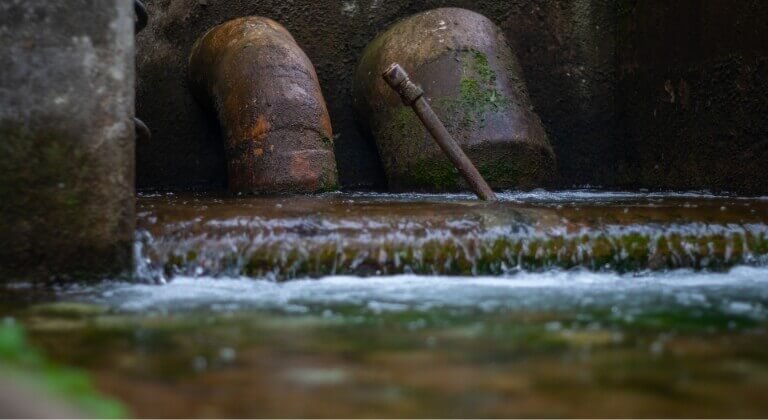
Depending on where you live, it may come from reservoirs, rivers, lakes, or underground aquifers. Along the way, it passes through treatment facilities, pumping stations, storage systems, and miles of distribution infrastructure.
Water treatment plants do an enormous amount of work to provide safe drinking water for communities. Yet even after treatment, water continues its journey through pipes and systems that may vary in age and condition.
Related reportUnderstanding Common Water Problems Before They Become Bigger Household Issues
This is one reason water quality discussions have become more nuanced in recent years. It’s not only about where water starts. It’s also about what happens along the way.
Why Homeowners Are Paying Closer Attention
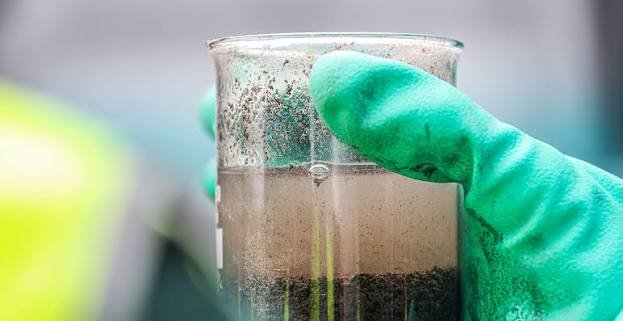
One interesting shift over the past decade has been the growing number of homeowners who actively test their water.
This isn’t necessarily because they’re experiencing major problems. In many cases, they’re simply curious. They want to know more about the water their family drinks every day.
Related reportUnderstanding Water Quality Issues: How Iron and Sediment Affect Your Home
That curiosity often reveals differences between households. Water conditions can vary dramatically based on location, infrastructure, plumbing materials, and local environmental factors.
As a result, people are becoming more proactive rather than waiting for obvious signs of trouble.
Knowledge has become part of the conversation.
Understanding Common Water Quality Discussions
When homeowners research water quality, they quickly discover that not all concerns are the same.
Related reportWater Purification at Home: A Practical Guide to Better Drinking Water Quality
Some people focus on taste and odor. Others worry about mineral content or sediment. Certain households are interested in protecting household systems from buildup, while others prioritize drinking water quality.
The challenge is that water discussions often combine many different topics into one broad category. This can make it difficult to determine which issues are relevant to a specific home.
That’s why testing and professional evaluation remain valuable first steps.
Rather than guessing, homeowners can focus on actual conditions.
The Importance of Aging Infrastructure
One topic that frequently appears in water quality discussions involves lead.
In many communities, aging service lines and older plumbing materials have become part of broader infrastructure conversations. While not every home faces this issue, older properties may benefit from understanding what materials exist within their plumbing systems.
Related reportMaking Better Water Part of Everyday Life at Home
The key point is that awareness matters.
Homeowners don’t necessarily need to assume a problem exists, but knowing the age and condition of household plumbing can provide valuable context when evaluating water quality.
Simple information often leads to better decisions.
Why Taste and Odor Matter
People sometimes dismiss taste concerns as purely cosmetic, but taste plays an important role in how people interact with water.
If water tastes unpleasant, many individuals naturally drink less of it or turn to bottled alternatives. That can influence both household expenses and hydration habits.
One of the most commonly discussed factors affecting taste is chlorine.
Municipal water providers frequently use disinfectants to help maintain water safety throughout distribution systems. While these treatments serve an important purpose, some homeowners notice changes in flavor or odor depending on local conditions.
This doesn’t automatically indicate a problem. It simply explains why taste preferences often vary from one household to another.
New Conversations Around Emerging Contaminants
As water research has advanced, discussions have expanded beyond traditional concerns.
Many homeowners have recently become aware of PFAS concerns, a topic that has received significant attention in environmental and public health discussions. These substances have been studied extensively due to their persistence in the environment and potential long-term implications.
For the average homeowner, the growing awareness surrounding emerging contaminants highlights an important reality: water quality science continues to evolve.
What we understand today is often more detailed than what was known twenty or thirty years ago.
That’s actually a positive development. Increased research helps communities, regulators, and homeowners make better-informed decisions moving forward.
Looking Beyond Drinking Water
While drinking water receives much of the attention, water affects nearly every aspect of home life.
Cooking, coffee preparation, laundry, dishwashing, bathing, and cleaning all rely on water. Household systems depend on it as well.
b maintenance, and daily routines throughout the entire home.
Why One Solution Doesn’t Fit Every Home
One of the biggest misconceptions about water treatment is the idea that every household needs the same system.
In reality, water conditions vary enormously. A family dealing with mineral-rich water may require a completely different solution than someone concerned about taste, odor, or specific contaminants.
That’s why water testing remains one of the most valuable investments a homeowner can make.
Testing provides clarity. Instead of relying on assumptions or online recommendations, homeowners can evaluate actual conditions and choose solutions that address genuine needs.
Often, the most effective approach is also the most targeted.
Building Confidence Through Better Information
At its core, water quality isn’t just a technical issue. It’s a confidence issue.
People want to feel comfortable filling a glass from the tap, preparing meals for their families, and using water throughout their homes without second-guessing every decision.
That confidence comes from understanding.
The more homeowners learn about their water, the easier it becomes to separate facts from assumptions and practical concerns from unnecessary worry.
Final Thoughts
Water is one of the few resources we use every single day without much thought. Yet it supports nearly every aspect of modern life, from cooking and cleaning to hydration and household maintenance.
As conversations around water quality continue to evolve, homeowners have more opportunities than ever to understand what’s flowing through their homes.
The goal isn’t perfection. It isn’t fear, either.
It’s simply making informed choices that support healthier habits, greater confidence, and ultimately, better water for everyday living.
When approached with curiosity rather than anxiety, water quality becomes less about uncertainty and more about understanding one of the most important resources in our lives.