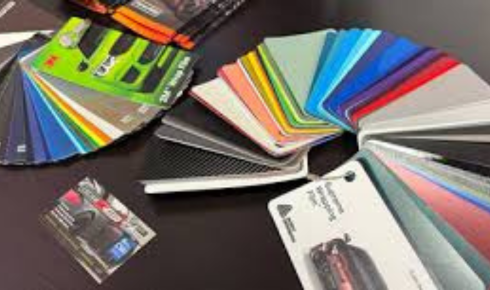
You’ve probably seen it before without thinking too much about it.
One wrapped vehicle looks sharp and vibrant even after years on the road, while another starts fading, peeling, or looking strangely dull after a single summer. The difference usually isn’t the design itself. Most of the time, it comes down to the quality of the material and how well it handles real-world conditions.
And honestly, real-world conditions are brutal on vehicles.
Sunlight, rain, dust, road grime, heat waves, freezing mornings, automatic car washes — vehicles spend their entire lives battling the environment. So when people talk about wrap quality, they’re not only talking about appearance anymore. They’re talking about endurance.
Sunlight Is Harder on Vehicles Than Most People Realize
People tend to underestimate what constant sunlight actually does over time.
Related reportGrowth Isn’t Always Bought: Why Some Brands Are Betting on Community Instead of Ads
Paint fades slowly. Plastics become brittle. Rubber cracks. Even dashboards eventually show signs of aging after years under direct heat. Vehicle wraps face the exact same battle every single day.
That’s why uv resistance became one of the most important features in modern wrap technology. Without proper UV protection, colors can lose depth surprisingly fast, especially brighter tones like red, orange, or neon shades that naturally absorb more sunlight.
And once fading begins, it’s difficult to ignore.
A wrap that looked rich and vibrant during installation can slowly turn washed out after prolonged exposure if the material wasn’t designed to handle harsh sunlight properly. In hotter climates, that process speeds up dramatically.
High-quality wraps are engineered specifically to slow that aging process down. Better materials absorb and reflect UV exposure more effectively, helping surfaces stay visually consistent much longer.
Related reportWhen Jokes Start Driving Business: The Real Value Behind Meme Marketing
Color Matters More Than People Think
Certain colors age differently, which is something many first-time wrap customers don’t realize.
Deep blacks and darker matte finishes often hide aging better than brighter gloss colors. Metallic textures tend to reflect sunlight differently too, which can affect how wear becomes visible over time. Some colors simply maintain richness better because of the pigments used during manufacturing.
That’s where color retention becomes such a major conversation among professional installers and commercial fleet owners.
Businesses especially care about consistency. A faded delivery van or service truck doesn’t just look old — it affects how customers perceive the company itself. Clean branding relies on consistent color appearance across every vehicle, sometimes for years at a time.
Related reportThe Conversations You Can’t See: Why Dark Social Is Changing Marketing
People absolutely notice fading subconsciously, even if they don’t explicitly point it out.
And honestly, nothing ruins a premium-looking wrap faster than uneven color loss between panels exposed to sunlight differently.
Wrap Technology Quietly Improved a Lot
Older wraps weren’t terrible, but modern materials are dramatically better than what existed ten or fifteen years ago.
Manufacturers now engineer films specifically for long-term outdoor exposure. Protective laminates help shield graphics from UV rays and environmental damage. Adhesives became more reliable. Surface coatings resist staining and make cleaning easier.
Even textures improved.
Matte wraps used to show fingerprints constantly. Certain gloss finishes scratched easily. Today’s premium materials feel more refined overall because manufacturers learned how real customers actually use vehicles daily.
The evolution happened gradually, but the difference is obvious when comparing older wraps to modern installations side by side.
Installation Still Matters Just as Much
Even the best material can fail if installed poorly.
That’s one thing experienced wrap shops constantly emphasize. Proper installation affects longevity almost as much as material quality itself. If edges aren’t sealed correctly or tension isn’t balanced during installation, wraps become vulnerable to lifting, shrinking, or premature wear later.
A good installer understands how each vehicle film behaves under heat and pressure. Different materials stretch differently around curves, mirrors, bumpers, and door handles. Applying too much tension in one area can create problems months later once the material settles naturally.
And honestly, wrapping is much more technical than most people assume.
The best installations almost disappear visually. No awkward seams. No visible lifting. Just smooth surfaces flowing naturally across the vehicle like factory paint.
Weather Changes Everything
Climate plays a huge role in wrap longevity too.
Vehicles in extremely hot regions experience more aggressive UV exposure and heat cycling. Cold climates introduce different challenges — freezing temperatures, snow, road salt, and moisture trapped near edges or seams.
Then there’s humidity, which affects adhesive performance over time.
That’s why professional shops often recommend different materials depending on where vehicles spend most of their lives. A wrap performing perfectly in mild coastal weather may age differently in desert heat or snowy northern regions.
People rarely think about that part until they’ve owned wraps for a few years.
Maintenance Quietly Extends Lifespan
One interesting thing about wraps is how much simple maintenance affects appearance over time.
Regular hand washing helps prevent dirt buildup that can stain lighter colors. Parking in shade occasionally reduces prolonged heat exposure. Avoiding harsh chemicals or abrasive brushes keeps protective coatings intact longer.
None of this requires obsessive care either.
High-quality wraps are designed for daily use, not delicate treatment. But small habits genuinely make a difference when it comes to long-term appearance.
And honestly, maintaining a wrapped vehicle often feels easier than maintaining perfect paint because minor scratches or swirl marks tend to be less noticeable on certain finishes.
Great Wraps Age Gracefully
The best wraps don’t necessarily stay “brand new” forever. Nothing exposed to the real world does.
But premium materials age gracefully.
Colors stay balanced. Edges remain secure. Finishes maintain depth instead of looking tired or patchy. Even after years of exposure, the vehicle still feels polished and intentional rather than neglected.
And that’s probably the biggest difference people notice subconsciously.
A quality wrap continues feeling satisfying long after installation day excitement fades away. Every time someone walks toward their vehicle, it still looks clean, sharp, and visually alive.
Not because it avoided aging entirely.
But because it aged well.