Most people don’t think too deeply about the water they drink every day. It’s there in the kitchen, in the kettle, in the glass beside the bed. We use it for coffee, soup, baby formula, ice cubes, pasta, and those half-hearted attempts to drink more water because someone on the internet said we should. Water is ordinary. Almost too ordinary.
But once the taste feels off, or the smell is a bit sharp, or you start wondering what’s actually coming through the tap, it becomes less ordinary pretty fast.
Clean drinking water is not only about avoiding obvious problems. It’s about comfort, trust, taste, and the small daily routines that make a home feel healthy and cared for. And for many families, choosing the right water treatment option can make a surprisingly noticeable difference.
Related reportWater Purification at Home: A Practical Guide to Better Drinking Water Quality
Why Tap Water Doesn’t Always Feel “Clean”
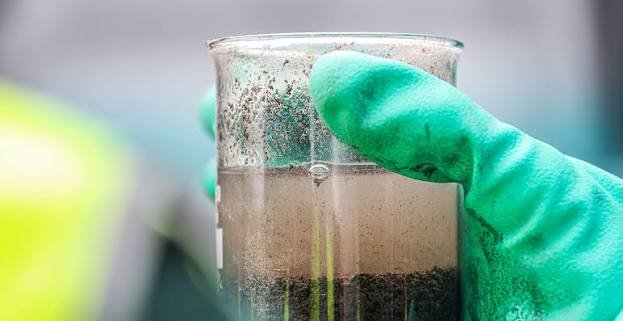
Water can look clear and still carry dissolved minerals, chlorine, sediment, metals, or other unwanted elements. That’s the tricky part. A glass may appear perfectly normal, but the taste tells another story. Maybe it feels flat. Maybe it smells faintly chemical. Maybe tea or coffee never tastes quite as good at home as it does elsewhere.
Municipal water is usually treated before reaching your home, which is important. Still, treated water can pick up taste, odor, and quality concerns as it travels through pipes. Well water has its own set of possibilities, from hardness minerals to iron, sulfur, or natural groundwater changes.
So when people say, “My water just doesn’t taste right,” they’re often noticing something real.
Related reportThe Quiet Kitchen Upgrade That Makes Everyday Water Better
Understanding Reverse Osmosis Water
One popular option for improving drinking water is RO water, which is produced through a reverse osmosis process. In simple terms, water is pushed through a very fine membrane that helps reduce many dissolved impurities. It is often used for drinking, cooking, and making clearer ice.
People often choose reverse osmosis when they want water that tastes cleaner and feels more neutral. It can help reduce certain dissolved solids, some metals, chlorine-related byproducts, and other contaminants depending on the system design and filter stages.
That said, not every home needs the same setup. A reverse osmosis unit under the sink may be perfect for one family, while another home may benefit from whole-house filtration first. The right choice depends on what is actually in the water.
Taste Matters More Than We Admit
Taste is a big reason people start looking into water filtration. If tap water tastes unpleasant, people drink less of it. They buy bottled water, fill the fridge with plastic containers, or avoid plain water altogether. Over time, that becomes expensive and inconvenient.
Related reportUnderstanding How Water Filtration Can Address Common Contaminants
Filtered drinking water can make everyday things better in a quiet way. Coffee tastes smoother. Tea feels cleaner. Soups and broths don’t carry that odd tap-water background flavor. Even ice cubes can smell fresher.
It’s not dramatic, exactly. It’s more like noticing that something finally tastes the way it should.
The Conversation Around Alkaline Options
Some homeowners are also curious about alkaline water, especially because it has become more visible in grocery stores, gyms, and wellness conversations. Alkaline water generally has a higher pH than neutral water, and some people prefer its taste or mouthfeel.
It’s worth being practical here. Not every claim you hear about alkaline water should be swallowed whole, no pun intended. For most households, the bigger priority is safe, clean, pleasant-tasting water. If an alkaline feature is added, it should be part of a sensible system, not a replacement for proper filtration or testing.
Related reportUnderstanding Water Quality Issues: How Iron and Sediment Affect Your Home
In other words, pH can matter, but it shouldn’t distract from the basics: what contaminants are present, how the water tastes, and whether the system fits your actual needs.
Why Testing Should Come First
Buying a filter without testing your water is a bit like buying medicine without knowing what’s wrong. It might help. It might not. And sometimes it solves one issue while leaving another untouched.
A basic water test can reveal useful details such as hardness, pH, chlorine levels, total dissolved solids, iron, and sometimes lead or other contaminants depending on the test type. For well water, regular testing is even more important because private wells are not monitored the same way public water systems are.
Related reportUnderstanding Common Water Problems Before They Become Bigger Household Issues
Testing gives you a starting point. Instead of guessing based on taste or stains, you get real information. That makes it much easier to choose a treatment system that actually does what you need it to do.
Choosing the Right System for Your Kitchen
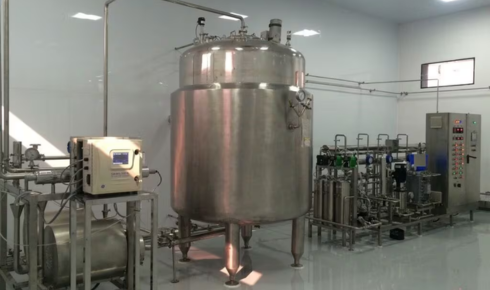
A purified water system can be designed in different ways depending on the home. Some systems focus mainly on drinking water at one faucet. Others treat water throughout the house. Some combine sediment filtration, carbon filtration, reverse osmosis, remineralization, or UV protection.
There is no single best system for everyone. A family using city water may want to reduce chlorine taste and dissolved solids. A rural home with well water may need help with iron, sediment, odor, or bacteria concerns. A household with older plumbing may want extra protection against metals.
The best system is the one that matches the water, the home, and the way people actually live.
Maintenance Is Part of Clean Water
Even a good system needs care. Filters have a lifespan. Membranes eventually need replacement. Storage tanks and faucets should be checked. If maintenance is ignored, performance can drop slowly, and you may not notice right away.
That doesn’t mean water systems are difficult to own. Many are simple once installed properly. But they do need attention from time to time, just like an air filter, water heater, or any other household system.
Clean water is not a one-time purchase. It is a small ongoing habit.
A Better Glass of Water Is Worth It
At the end of the day, drinking water should feel easy. You should be able to fill a glass without second-guessing the taste, smell, or quality. You should be able to make coffee, cook dinner, and offer water to guests without reaching for a plastic bottle.
That kind of confidence matters.
Cleaner drinking water may not be the flashiest home improvement, but it is one you use every single day. It touches your meals, your health routines, your family’s comfort, and even the way your kitchen functions. When the right system is chosen thoughtfully, the difference becomes part of daily life — quiet, simple, and genuinely useful.